Soft Pedal, Longer Stops: When Brake Feel Changes
October 18, 2026
You don't need to know exactly what's wrong to know something has changed.
Your brakes still stop the car, but the pedal feels softer than it did last month.
That's worth paying attention to.
Maybe the pedal travels farther before the brakes respond. Maybe you're pressing harder to make the same stop. Or maybe your usual stopping distance suddenly feels a little longer during your commute through Buffalo or Rochester.
You don't need to know exactly what's wrong to know something has changed.
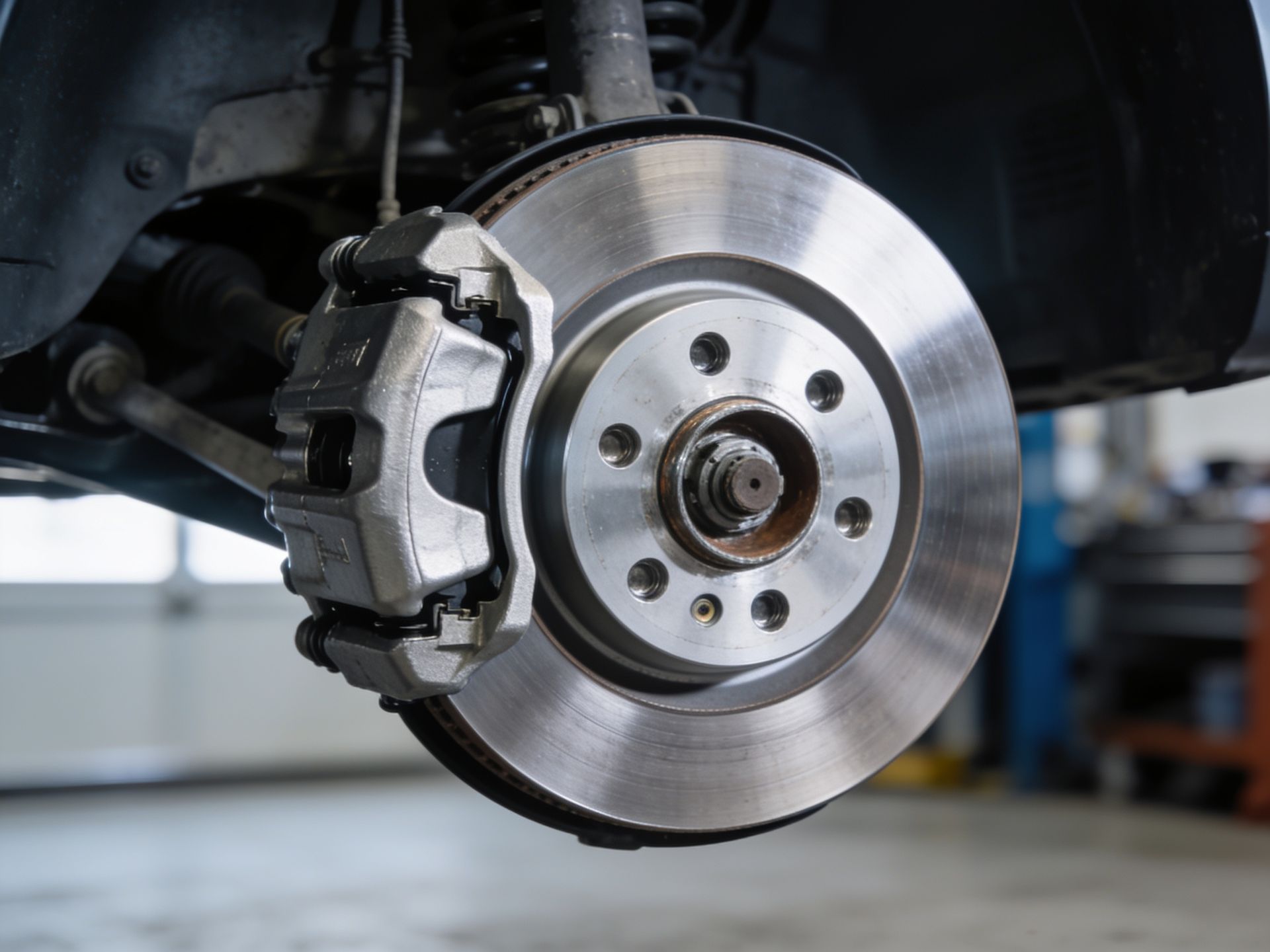
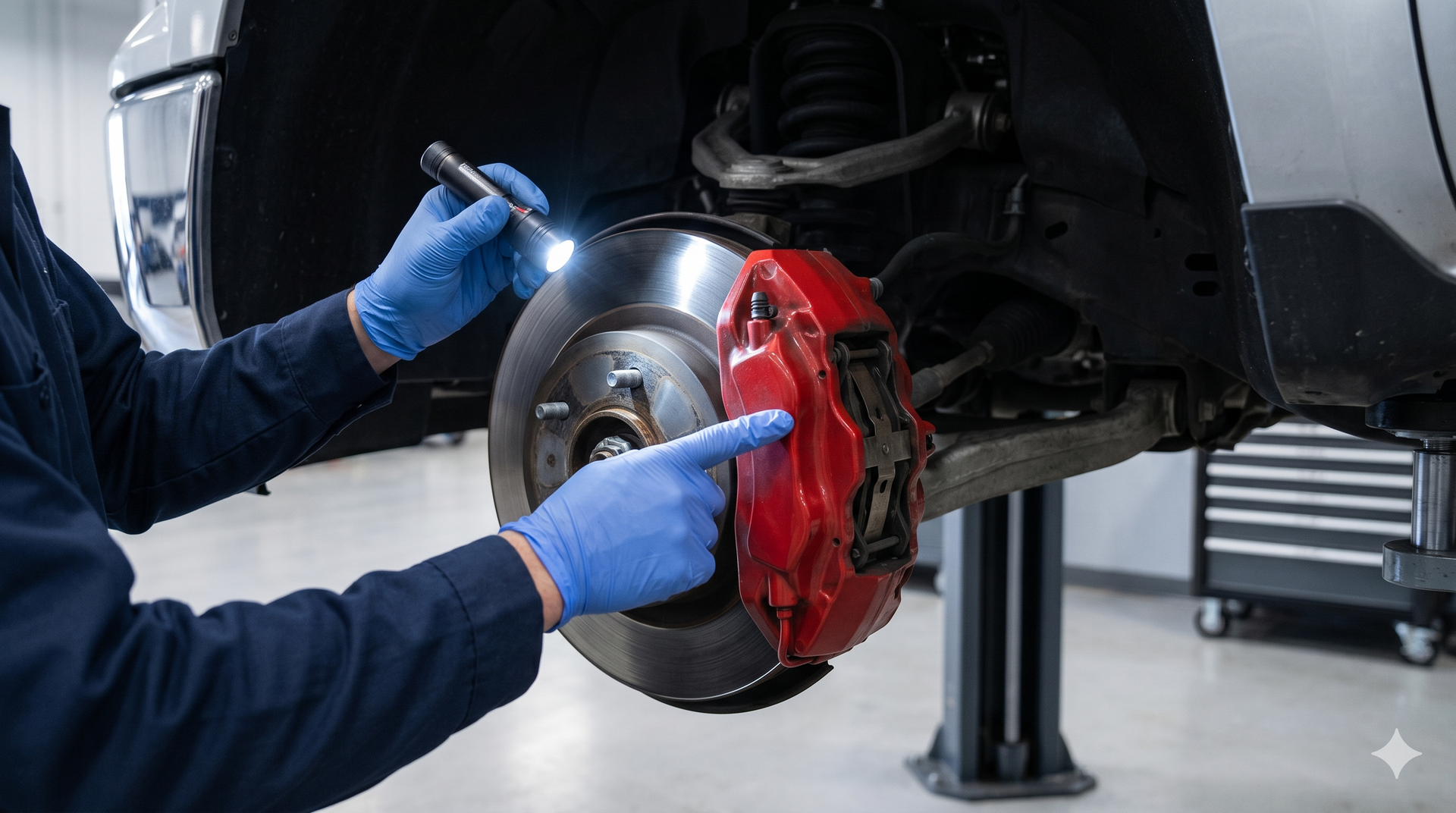
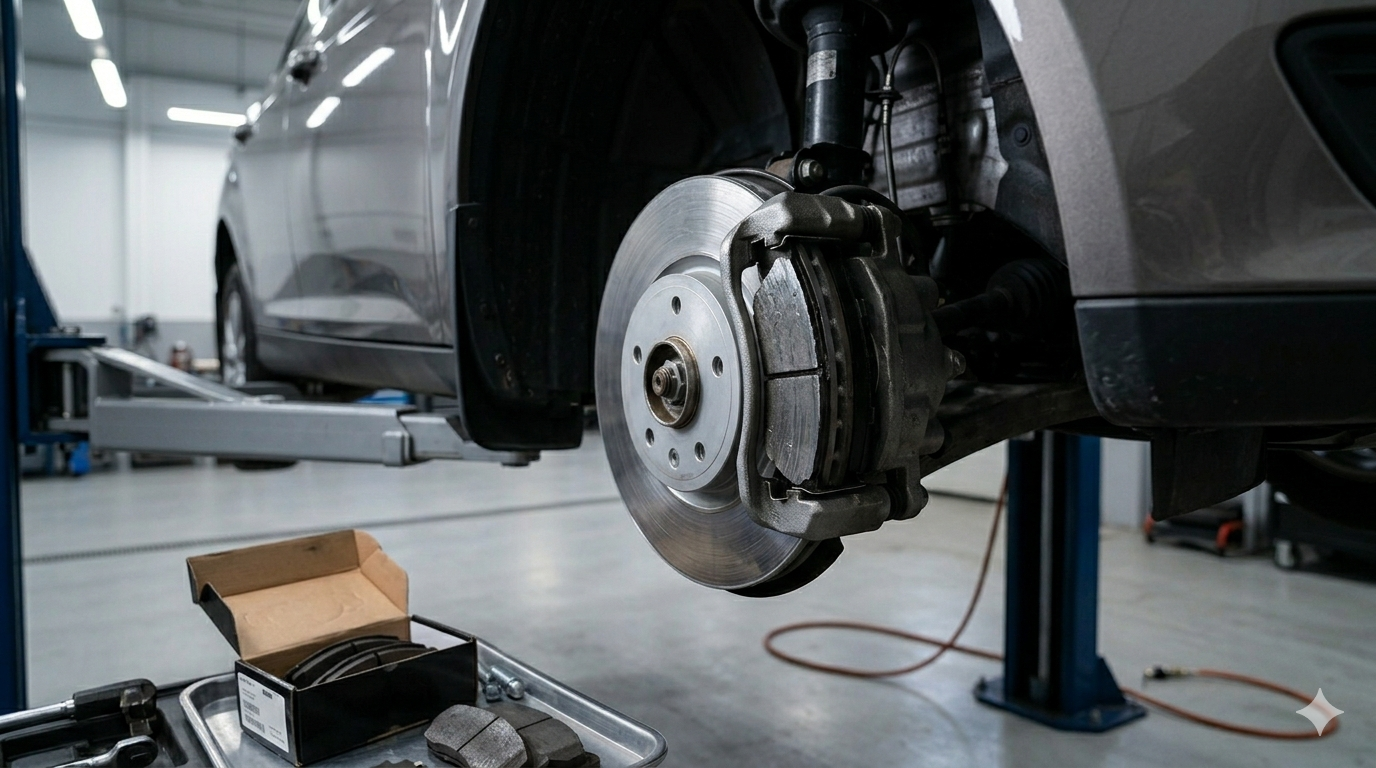
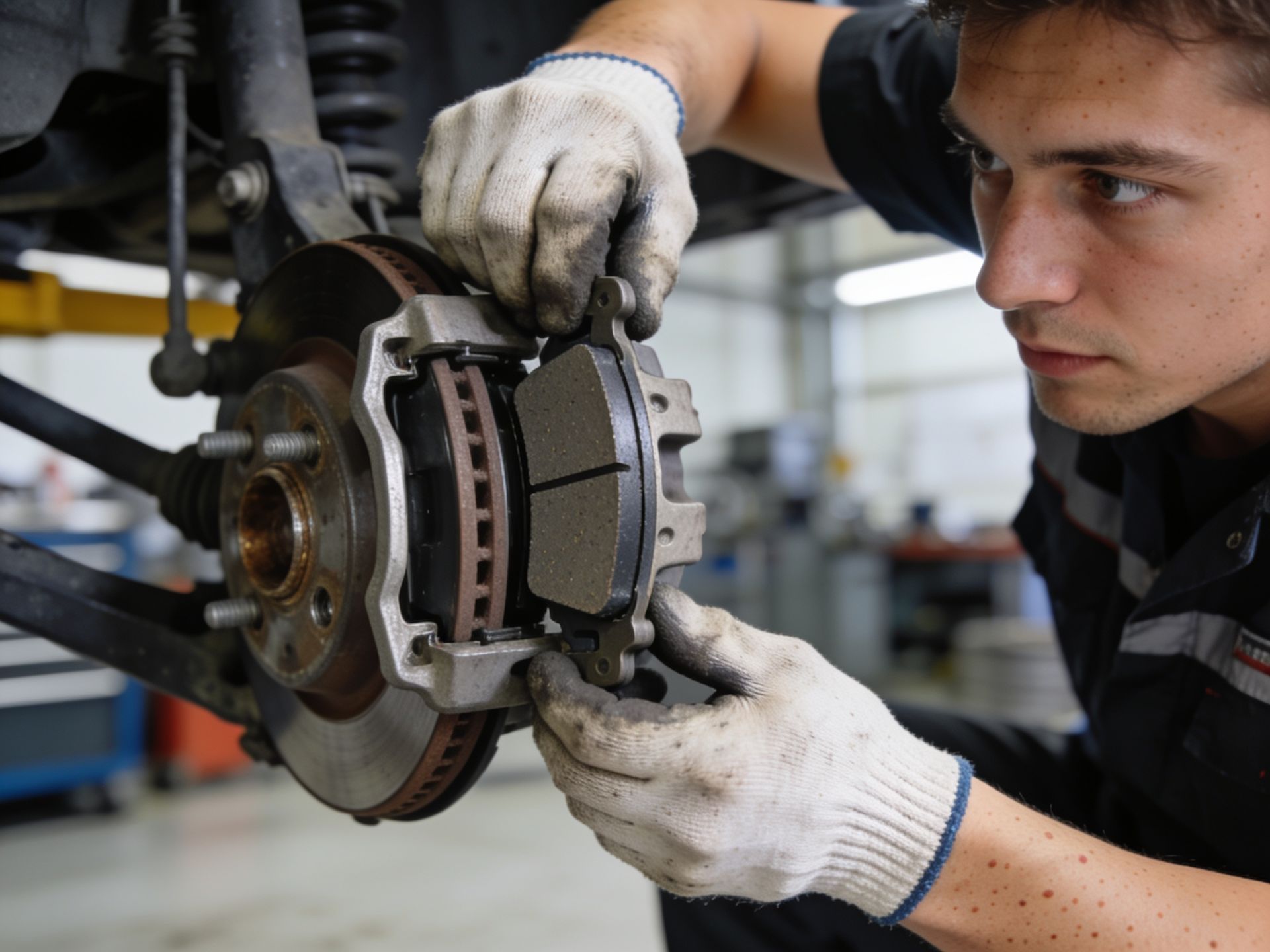
At Dunn Tire, our ASE-certified technicians inspect the braking system to figure out why your brakes feel different before recommending a fix. We check the pads, rotors, calipers, and brake fluid, then explain what we find.
If you're dealing with a soft brake pedal in WNY, a spongy brake pedal in Rochester, or brakes that simply feel different in Buffalo, here's what that change could be telling you.
Your Brake Pedal Can Tell You Something's Wrong
Most drivers know squealing or grinding can mean it's time to have their brakes checked.
But sound isn't the only warning sign.
Changes in how the brake pedal feels can sometimes point to the hydraulic or fluid side of the braking system. Those problems may not announce themselves with a loud noise.
Pay attention if:
- The pedal feels soft or spongy.
- The pedal travels farther than it used to.
- Your vehicle takes longer to stop.
- The pedal slowly sinks while you're holding steady pressure.
- You need more pedal pressure to make a normal stop.
The key is knowing what's normal for your vehicle.
You use your brakes every time you drive. If they suddenly don't feel the way they normally do, don't ignore the difference.
What Does a Spongy Brake Pedal Mean?
A healthy brake pedal should feel firm and predictable.
When it starts feeling soft or spongy, air in the brake lines or moisture in old brake fluid can sometimes be the reason.
Your braking system relies on hydraulic pressure. When you press the pedal, brake fluid transfers that force through the system to help slow the vehicle.
Air can compress. Brake fluid doesn't behave the same way.
If air enters the lines, some of the pressure from your foot can go toward compressing that air before the brakes respond. From the driver's seat, that can feel like a softer or less immediate pedal.
That's why a spongy brake pedal in Rochester deserves an inspection rather than a guess.
Brake Fluid Doesn't Last Forever
Brake fluid is one of those parts of the vehicle most drivers rarely think about.
But every time you press the brake pedal, it's doing important work.
Brake fluid can absorb moisture over time. As moisture builds up, the fluid's boiling point can decrease, which can affect how consistently it performs as temperatures rise within the braking system.
And braking creates heat.
Repeated stops during a commute, school drop-off, or afternoon errands ask the system to work again and again. Old or moisture-contaminated brake fluid may contribute to changes in pedal feel under those conditions.
Depending on what an inspection finds, brake fluid service may be part of the solution. But fluid isn't the only possible cause, so diagnosis should always come first.
Why Fall Can Make a Soft Pedal Easier to Notice
Fall means more stopping for many Western New York drivers.
School is back in session. Morning commutes get busier. Afternoons fill up with pickups, errands, practices, and activities.
That means you're using the brake pedal more often.
We see soft pedals climb in fall as folks get back into heavy stop-and-go driving. Usually it's fluid or pads, and it's better caught early.
If the pedal suddenly feels softer while navigating Buffalo traffic or making repeated school-zone stops around Rochester, pay attention to the change.
The extra braking may simply make an existing issue more noticeable.
Longer Stopping Distances Can Have Several Causes
A vehicle that takes longer to stop doesn't automatically need new brake pads.
Several parts of the braking system could be involved.
Possible causes include:
- Worn brake pads
- Glazed or uneven rotors
- Old or contaminated brake fluid
- Caliper issues
- Other hydraulic system problems
Different issues can create similar symptoms from behind the wheel.
That's why trying to diagnose brake feel yourself can be difficult. The right repair depends on what's actually causing the change.
At Dunn Tire, we'll find what changed and tell you straight.
A Sinking Brake Pedal Is a Come-In-Now Sign
Some brake changes are more urgent than others.
A pedal that slowly sinks toward the floor while you're holding steady pressure is one you shouldn't ignore.
Your braking system depends on maintaining hydraulic pressure. If the pedal can't hold its position, there may be an issue within the system that can affect your ability to brake normally.
Don't keep driving just to see whether the problem goes away.
If the pedal sinks significantly, braking performance changes suddenly, or you aren't confident the vehicle can stop safely, pull over somewhere safe and call for help.
Try This Simple Brake Feel Check While Parked
If you think your pedal feels different but aren't sure, you can do a simple check while your vehicle is safely parked.
Press the brake pedal with steady pressure and pay attention to what happens.
The pedal should feel firm and remain relatively steady rather than continuing to sink toward the floor.
Ask yourself:
- Does the pedal travel farther than it used to?
- Does it feel softer?
- Does it require more pressure?
- Does it continue sinking while you hold it?
If the pedal feels stable and you're comfortable doing so, you can also pay attention during a few gentle stops on a quiet, low-speed road.
Your vehicle should stop smoothly and predictably.
This doesn't replace a professional brake inspection. It simply gives you a better sense of what has changed and what to tell your technician.
Don't Guess at the Fix
A soft pedal is a symptom, not a diagnosis.
The problem could involve brake fluid, pads, rotors, calipers, or another part of the hydraulic system.
Replacing parts based on a guess can mean spending money without solving the actual problem.
Dunn Tire starts with the cause.
Our ASE-certified technicians inspect the braking system, explain what they find, and recommend service based on what's actually happening. You get a clear answer and transparent pricing before the work begins.
When Should You Schedule a Brake Inspection Soon?
A small change in brake feel doesn't always mean you need to stop driving immediately.
But it deserves attention.
Schedule a brake inspection soon if:
- The pedal feels slightly softer than usual.
- Normal stops require more pressure.
- Your stopping distance seems longer.
- The pedal travels farther than it used to.
- The change has developed gradually.
- You don't know when your brake fluid was last serviced.
Getting the system checked now can help you understand the cause before the symptom gets worse.
If your brakes feel different, book a brake inspection or call your local Dunn Tire.
When Should You Stop Driving and Call?
Some brake symptoms call for a more immediate response.
Stop driving and call for help if:
- The brake pedal sinks significantly toward the floor.
- You suddenly lose substantial braking power.
- The vehicle isn't stopping predictably.
- The pedal becomes dramatically softer without warning.
- You aren't confident you can stop the vehicle safely.
Don't try to push through an obvious loss of braking performance to reach your destination or a repair shop.
Getting the vehicle there safely matters more.
Get an Answer When Something Feels Different
If your brakes felt normal a month ago and don't today, trust what you're noticing.
You don't need to figure out the cause yourself.
Dunn Tire will inspect the pads, rotors, calipers, and brake fluid to determine what's behind the change. Then we'll explain what we find, what needs attention, and what your options are.
Our ASE-certified technicians serve Western New York drivers at more than 24 locations across Buffalo, Rochester, Syracuse, Niagara Falls, and surrounding communities, with convenient Monday through Saturday hours.
If you have a soft brake pedal in WNY, your brakes feel different in Buffalo, or you think you may need brake fluid service, book a brake inspection or call your local Dunn Tire.
We'll find what changed and tell you straight.
Featured Blogs & News