Are Your Tires Too Old? How to Check the Real Age
October 30, 2026
Easy way to find out how old your tires really are.
The tread looks fine, so why would we say it's time for new tires?
Because tires have a birthday, and it matters.
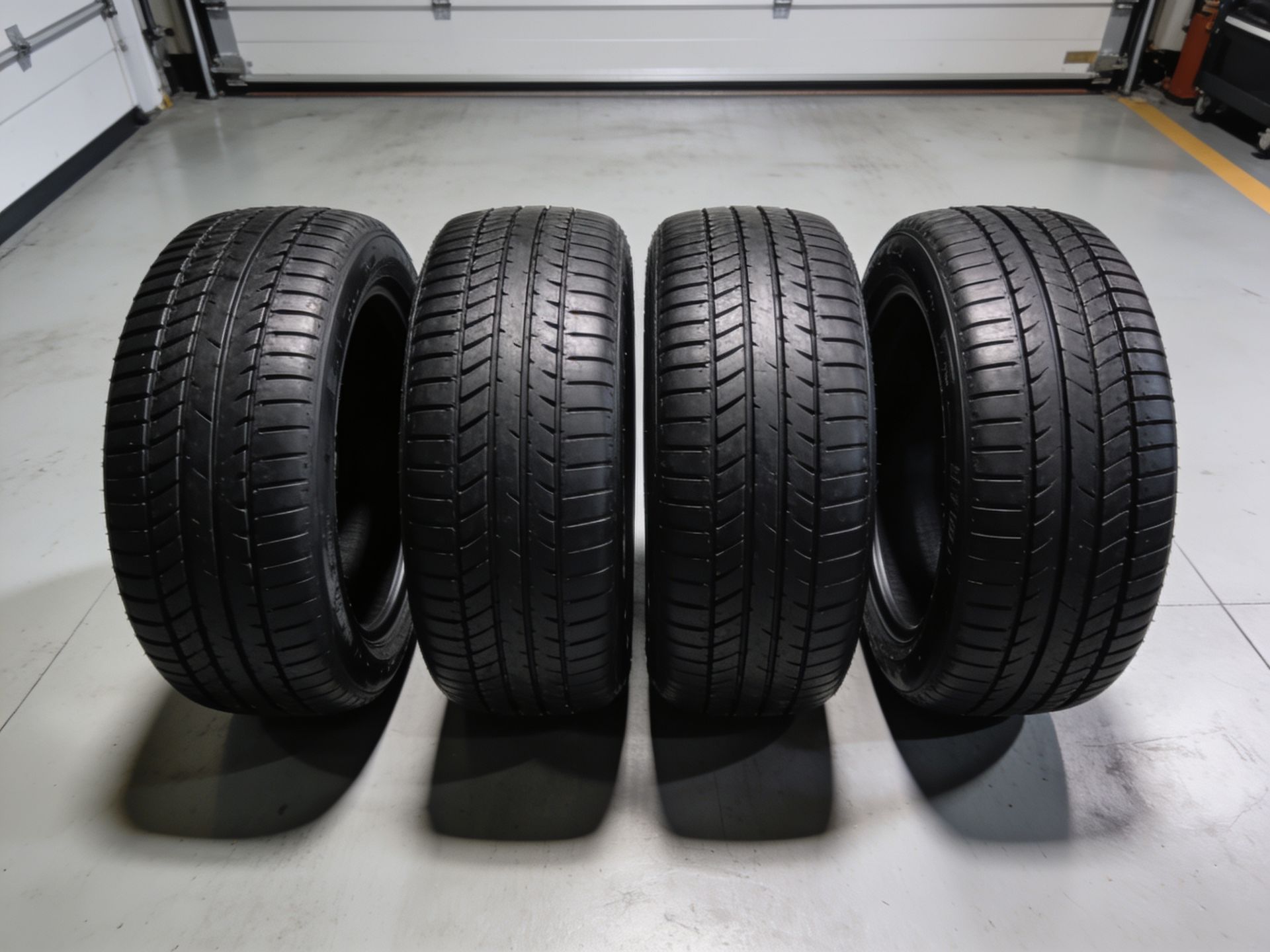
Tread depth is important, but it doesn't tell you everything about a tire's condition. Rubber ages over time, even when the vehicle isn't driven very often.
That means the second car sitting in your garage can have plenty of tread left and still be riding on tires that are getting too old.
Luckily, there's an easy way to find out how old your tires really are.
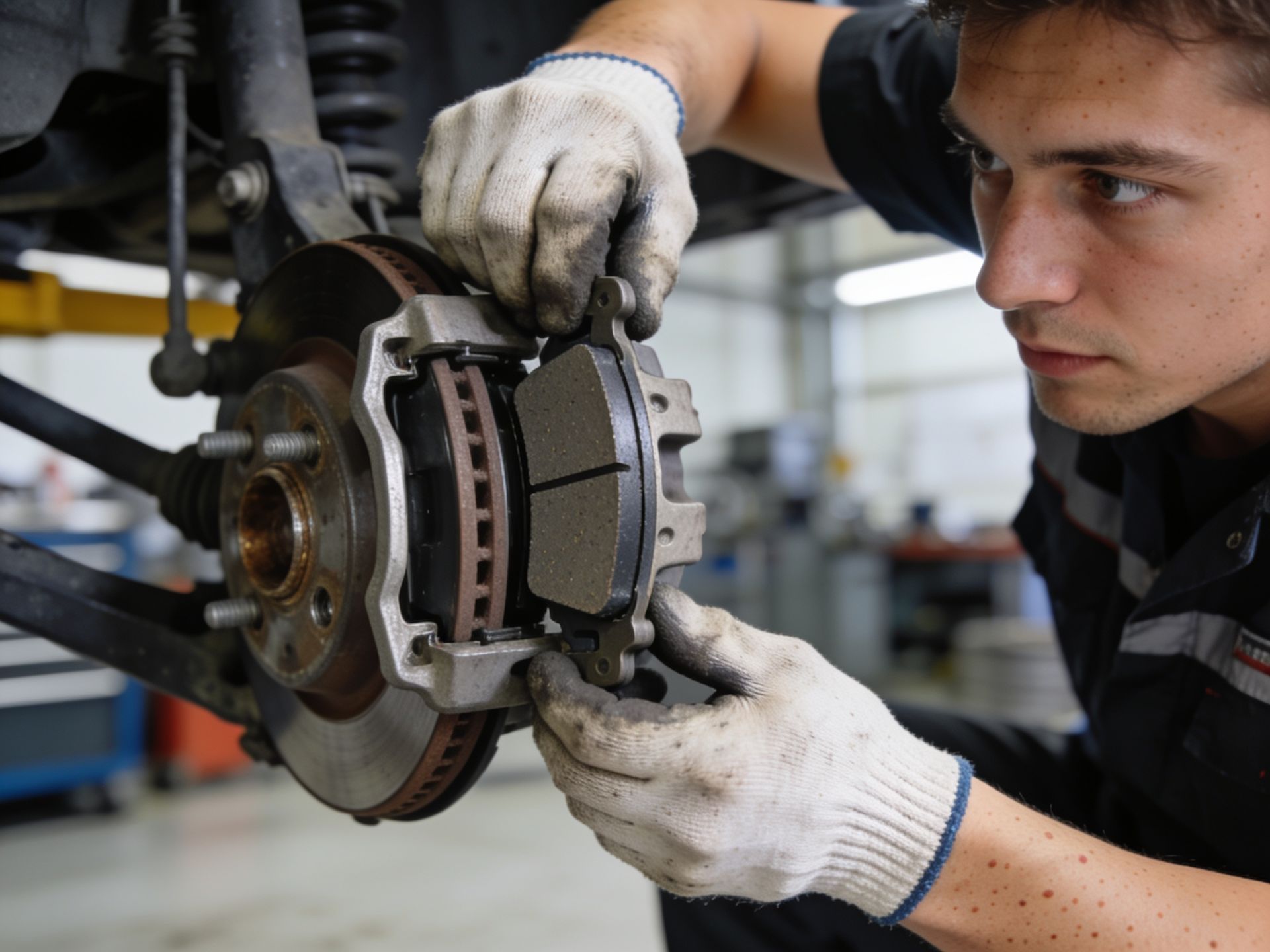
At Suburban Tire, our ASE-certified technicians look at the whole tire, including tread, age, and signs of dry rot. If the tires are fine, we'll say so. If age is becoming a concern, we'll show you why.
Here's how to check for yourself.
Your Tires Have a Birthday
Every tire has identifying information molded into its sidewall.
Look for the letters DOT followed by a series of letters and numbers. The final four digits of the DOT code tell you when the tire was manufactured.
Those numbers represent the week and year.
For example, a tire with a date code of 2422 was manufactured during the 24th week of 2022.
A code of 4019 means the tire was manufactured during the 40th week of 2019.
Once you know where to look, checking your tire age DOT code in Chicago only takes a few minutes.
Can't Find the Four-Digit Code?
Check both sides of the tire.
The complete DOT code may only appear on one sidewall. Depending on how the tire is mounted, the date code could be facing toward the inside of your vehicle.
Don't put yourself in an unsafe position trying to read it.
If the code isn't easily visible, stop by Suburban Tire. We can check the date as part of a tire inspection.
Why Tire Age Matters Even With Good Tread
Most drivers think about tire replacement in terms of tread depth.
And tread matters.
But rubber changes as it ages.
Over time, it can become less flexible and begin to crack or deteriorate. That can happen even if you haven't driven enough miles to wear down the tread.
So a tire can look good at first glance while its age tells a very different story.
That's why we don't judge tire condition based on tread alone.
The Low-Mileage Trap
Imagine a second car sitting in a suburban garage.
It gets driven on weekends or for occasional errands. Maybe it only travels a few thousand miles each year.
The tread still looks great.
Then you check the DOT code.
The tires are 10 years old.
That's the low-mileage trap.
Tires continue to age whether they're driven every day or spend most of their time sitting.
We see it every fall: a low-mileage car with tires cracking from dry rot. Tread looked great, rubber was done.
If you have a second car or another seldom-driven vehicle, don't use mileage alone to judge the tires.
Check their age too.
How Old Is Too Old?
There isn't one number that tells you everything about a tire's condition.
Age, environment, use, and physical condition all matter.
But there are some useful general guidelines.
Once tires reach around six years old, they should be inspected closely for signs of age and deterioration.
By around 10 years old, replacement is generally recommended regardless of how much tread remains.
That doesn't mean every tire automatically becomes unusable the day it turns six.
It means age becomes an increasingly important part of deciding whether that tire should remain in service.
If you're wondering "how old are my tires?" in DuPage, checking the DOT code is a good place to start.
What Does Tire Dry Rot Look Like?
Dry rot can be easier to identify once you know what you're looking for.
Take a close look at the sidewalls and between the tread grooves.
Possible signs include:
- Fine cracks along the sidewall
- Cracking between tread blocks
- Rubber that appears dry or brittle
- Clusters of small surface cracks
- More significant cracking around the sidewall
One tiny mark doesn't automatically mean you need new tires.
But visible cracking on an older tire deserves a closer look.
If you're concerned about dry rot on tires in the suburbs, bring them in for an inspection rather than trying to judge the severity yourself.
Chicagoland Weather Is Hard on Rubber
Tires in the Chicago suburbs don't exactly live an easy life.
One part of the year can bring deep-freeze temperatures. A few months later, those same tires may be sitting on hot pavement during the middle of summer.
Those major temperature swings can take a toll on rubber over time.
That makes tire age particularly worth watching in Chicagoland.
A tire that has spent years cycling through freezing winters and hot summers may tell a different story than its tread depth suggests.
Fall is a good time to take a closer look before another winter arrives.
Older Rubber Can Affect Wet-Road Grip
Tread is designed to help your tires maintain contact with the road and move water away from the contact area.
But tread depth isn't the only factor that matters.
As tire rubber ages, it can lose some of the characteristics that help it grip the road.
That becomes especially important on wet suburban streets.
A tire may still have visible tread while the aged rubber itself isn't performing the way it once did.
If your tires are getting older, don't assume remaining tread automatically means they're ready for another season of rain, cold, and changing Chicagoland conditions.
A Tire Can Look Fine and Still Be Too Old
That's what makes tire age easy to miss.
There may be no flat. No bald tread. No obvious warning from behind the wheel.
At first glance, everything can look normal.
Then you check the date code and realize the tire has been on the vehicle much longer than you thought.
That's why the DOT code is such a useful tool.
It gives you information you can't get by looking at tread depth alone.
Do a Quick Tire Age Check at Home
You don't need special equipment for a basic tire age check.
Take a few minutes and look at all four tires.
1. Find the DOT date code.
Look for the final four digits on the tire sidewall.
2. Calculate the tire's age.
Use the week and year to determine approximately when it was manufactured.
3. Look closely at the sidewalls.
Check for fine cracks, dry-looking rubber, or other visible deterioration.
4. Look between the tread grooves.
Dry rot can appear there too.
5. Think about how the vehicle is used.
Is it driven every day or does it spend most of its time sitting?
6. Don't rely on tread alone.
Deep tread doesn't erase the effects of age.
This quick check can give you a better idea of whether your tires simply need monitoring or deserve a professional inspection.
When Can You Keep an Eye on Them?
Not every older tire needs immediate replacement.
You may be able to continue monitoring the tires if:
- They're not excessively old.
- There are no significant signs of dry rot.
- The rubber remains in good condition.
- Tread depth is still healthy.
- An inspection doesn't uncover age-related concerns.
As tires get older, regular inspections become more important.
If your tires are approaching six years old, start paying closer attention to their condition.
When Is It Time to Replace?
Age can become a reason for replacement even if the tread still looks good.
Consider replacement if:
- The tires show significant dry rot or cracking.
- The rubber appears brittle or deteriorated.
- The tires are approaching the end of their recommended service life.
- They're around 10 years old, even with remaining tread.
- An inspection finds age-related deterioration.
- Age and condition are creating concerns about wet-road grip.
You shouldn't have to replace a tire simply because someone tells you it's old.
You should know how old it is, what condition it's in, and why replacement is being recommended.
We Check More Than the Tread
At Suburban Tire, we don't look at tread depth and stop there.
Our ASE-certified technicians can read the DOT date code, check for dry rot and cracking, inspect tread condition, and help you understand whether your tires are ready for more miles.
If they're fine, we'll tell you.
If age is the reason replacement makes sense, we'll explain what we're seeing before you make a decision.
It's straightforward, no-pressure guidance with the convenience of a local suburban shop, more expertise than a chain store, and no need to wait around for a dealership appointment.
Find Out How Old Your Tires Really Are
Your tires may have more tread than you think.
They may also have more birthdays.
Check the DOT date code. Look closely for cracking and dry rot. Think about how long the tires have been on the vehicle, not just how many miles you've driven.
And if you're still unsure, let us take a look.
Suburban Tire has convenient Chicagoland locations in Glendale Heights, Hanover Park, DeKalb, St. Charles, Oswego, and Roselle, with Monday through Saturday hours.
Stop by for a free tire inspection, ask us to check your DOT date codes, or book a replacement consultation if you think your tires may be aging out.
We'll look at the whole tire and give you a straight answer about what's actually left.
Featured Blogs & News