How Often Should You Replace Your Brakes? Signs It’s Time for Service in Chicagoland
April 17, 2026
Your brakes are doing more work than you think.
If you drive I-355 every morning, sit in DuPage County stop-and-go traffic, or make daily school runs through Glendale Heights or Hanover Park, your brakes are doing more work than you think.
Add Chicago’s winters, road salt, pothole season, and spring and summer heat, and brake wear accelerates fast.
So how often should you replace your brakes? And how do you know when it’s time?
Here’s what Chicagoland drivers need to know.
How Long Do Brake Pads and Rotors Typically Last?
There isn’t one universal answer.
In general:
- Brake pads last 30,000-70,000 miles
- Rotors often last 50,000-70,000 miles
- Stop-and-go driving shortens pad life
- Highway driving tends to extend pad life but can stress rotors
A Roselle commuter navigating local traffic daily will see different wear patterns than someone cruising steady highway miles.
In Chicagoland, harsh weather conditions often shorten those timelines.
If you’re unsure where you fall, a Glendale Heights brake repair inspection gives you clear answers.
Why Chicago Winters Are Hard on Brakes
Winter in DuPage, Kane, Kendall, and Cook County is tough on vehicles.
Road salt accelerates corrosion on:
- Brake lines
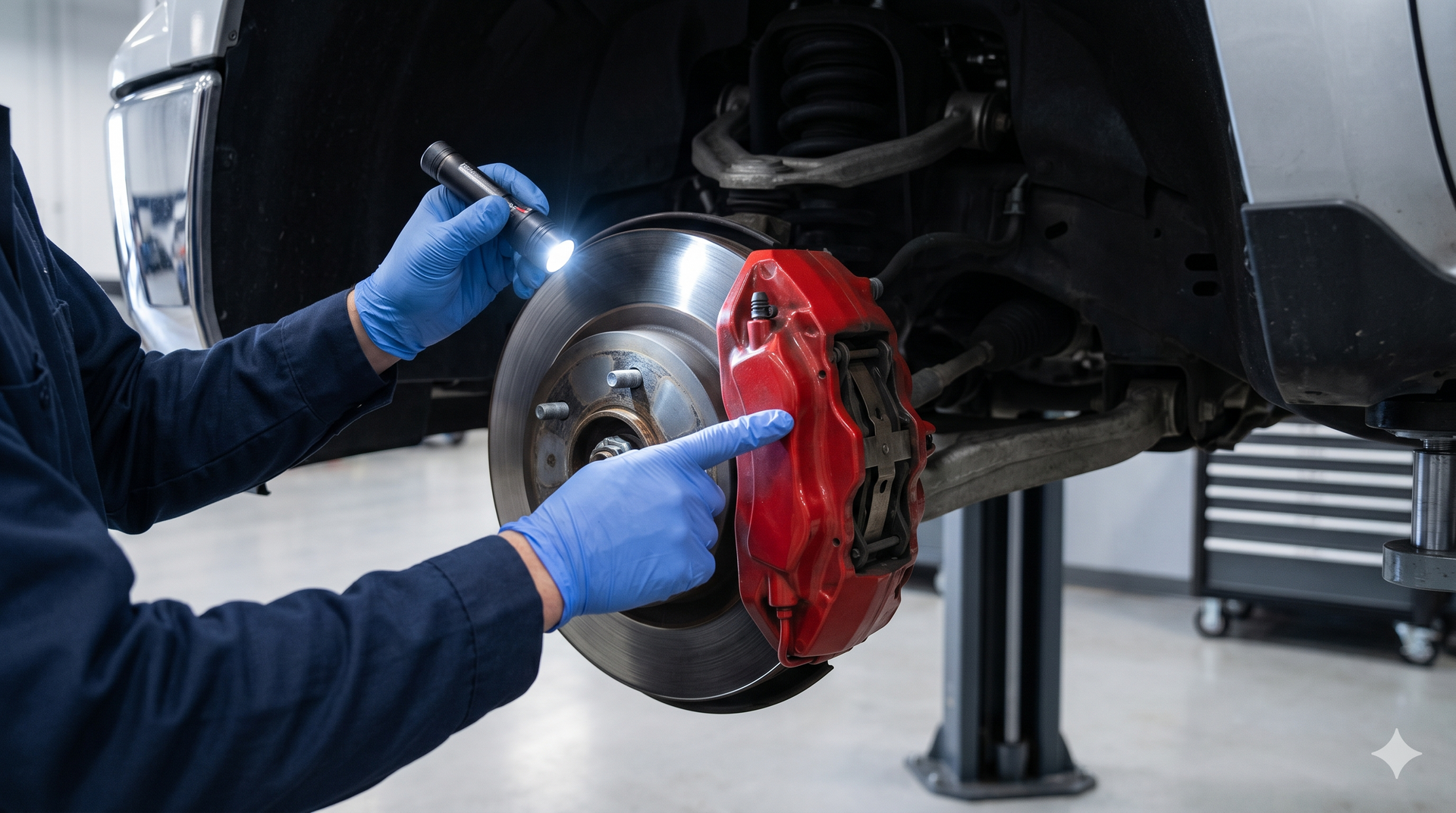
- Calipers
- Hardware
- Rotor surfaces
Freezing temperatures followed by rapid thaws create moisture buildup. That moisture contributes to rust and hardware issues.
After a long Chicago winter, we commonly see:
- Sticking calipers
- Uneven pad wear
- Rusted rotors
- Corroded brake brackets
Even if your brakes “feel fine,” corrosion may be developing underneath.
Potholes and Stop-and-Go Suburban Driving
Pothole season in Chicagoland isn’t a joke.
Once spring approaches, we regularly see warped rotors from impact stress and aggressive braking to avoid road damage.
Suburban stop-and-go driving also accelerates wear. Frequent stops in school zones, shopping centers, and commuter traffic wear pads faster than steady highway driving.
Suburban driving is harder on brakes than many drivers realize.
The Most Common Signs It’s Time for Brake Service
Brakes usually warn you before they fail.
Watch for:
- Squealing or squeaking
- Grinding noise
- Steering wheel vibration when braking
- Vehicle pulling to one side
- Soft or spongy pedal
- Brake warning light
Some signs require immediate attention. Others allow limited time.
The key is knowing which is which.
Morning Squeal vs. Real Trouble
In Chicagoland, morning moisture can cause light surface rust on rotors. That may create a brief squeal that disappears after driving.
That’s usually harmless.
But persistent squealing, especially in dry conditions, often means:
- Pads nearing their wear indicator
- Uneven pad wear
- Hardware issues
- Glazed brake material
If the noise sticks around, it’s not something to ignore.
And if you hear grinding, schedule service immediately.
Brake Pad Thickness: What the Numbers Mean
Brake pads are measured in millimeters.
- New pads: 10-12mm
- 4mm: begin planning
- 3mm or less: replacement recommended
A quick “quarter test” can give a rough idea. If the visible pad looks thinner than the edge of a quarter, it’s worth an inspection.
Still, visual checks aren’t precise. A DuPage brake service inspection provides exact measurements.
Why Rotors Warp in Chicago
Extreme temperature swings play a role.
Braking hard in freezing conditions generates heat. Then components cool rapidly. That expansion and contraction stresses metal over time.
Add potholes and stop-and-go traffic, and rotor warping becomes common.
If you feel:
- A pulsing brake pedal
- Steering wheel vibration at highway speeds
You may have rotor issues.
After Chicago’s pothole season, we see many of these cases come through our suburban locations.
The Real Cost of Waiting
Here’s where timing matters.
If you replace brake pads early, you’re typically looking at a moderate per-axle service cost.
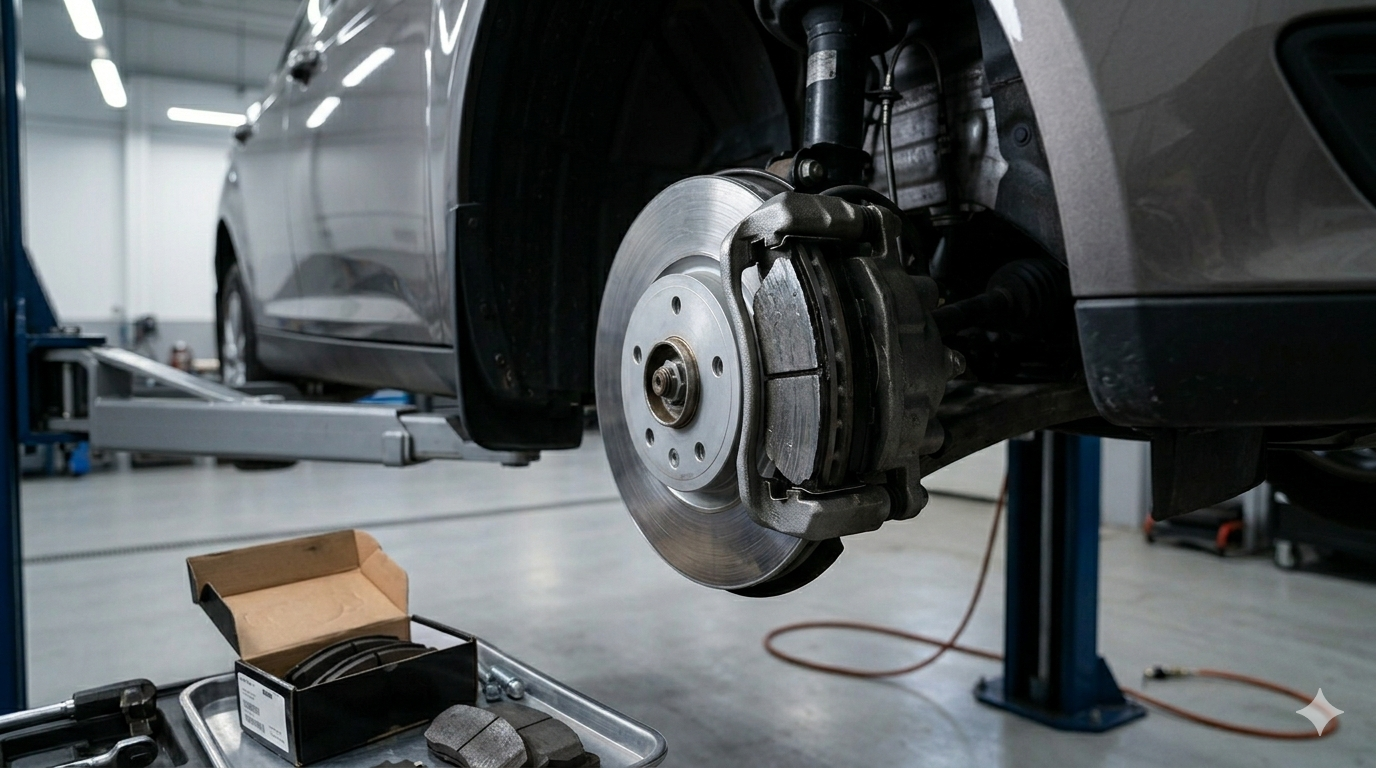
If you wait until pads grind into rotors, you may need:
- Pads
- Rotors
- Hardware
- Possibly caliper work
That significantly increases the total repair.
Delaying doesn’t just cost more; it can reduce stopping performance during icy or wet conditions.
“It Just Started Making Noise, It’s Probably Fine”
That’s one of the most common rationalizations.
Minor noise can feel easy to ignore. Life gets busy. Appointments get postponed.
But early brake symptoms are when service is most affordable.
Once grinding begins, damage accelerates quickly.
If you’re unsure, schedule an inspection. Clarity costs less than major repairs.
What a Professional Brake Inspection Includes
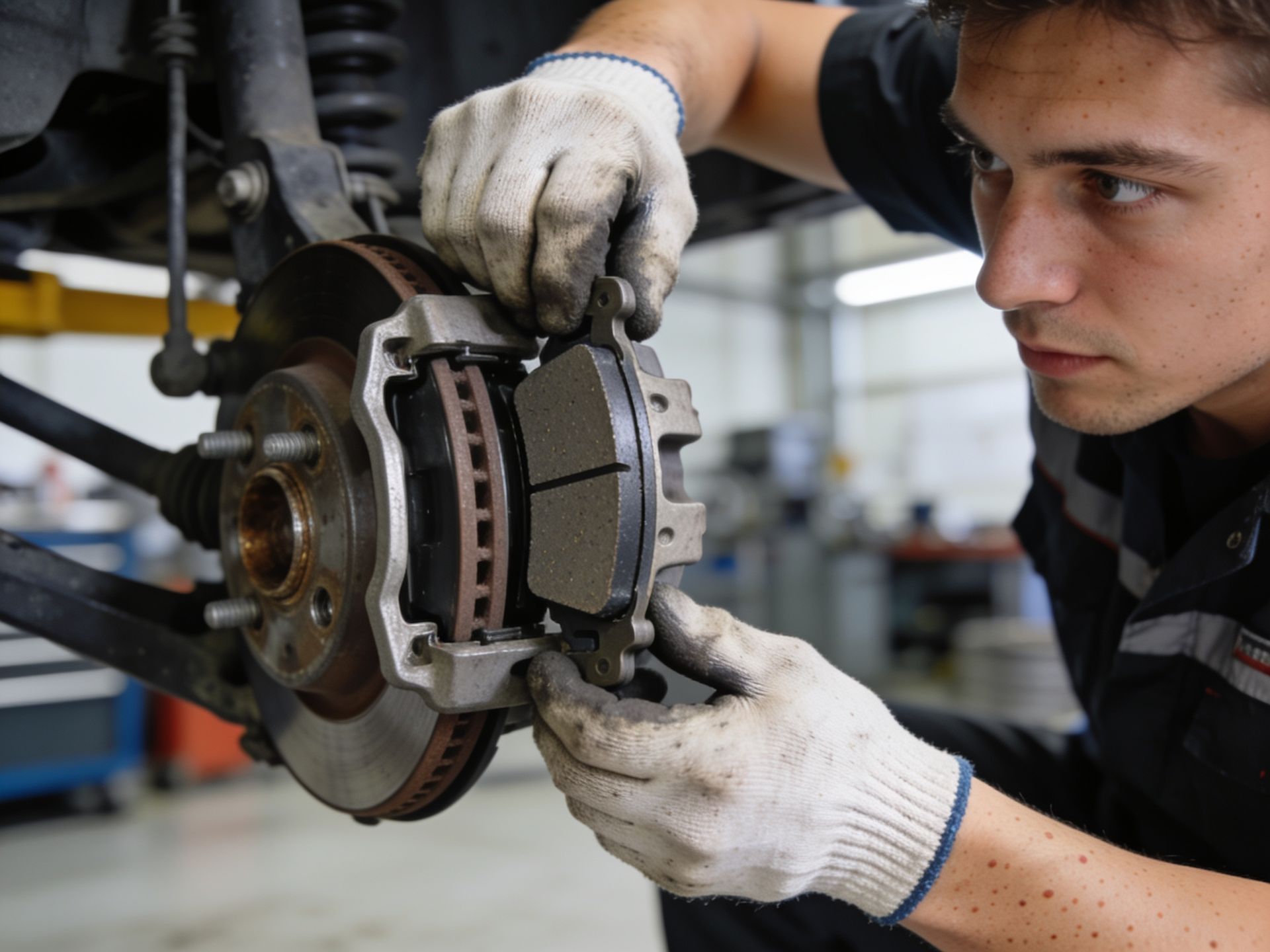
At Suburban Tire, our ASE-certified technicians perform a complete evaluation.
We check:
- Pad thickness (measured precisely)
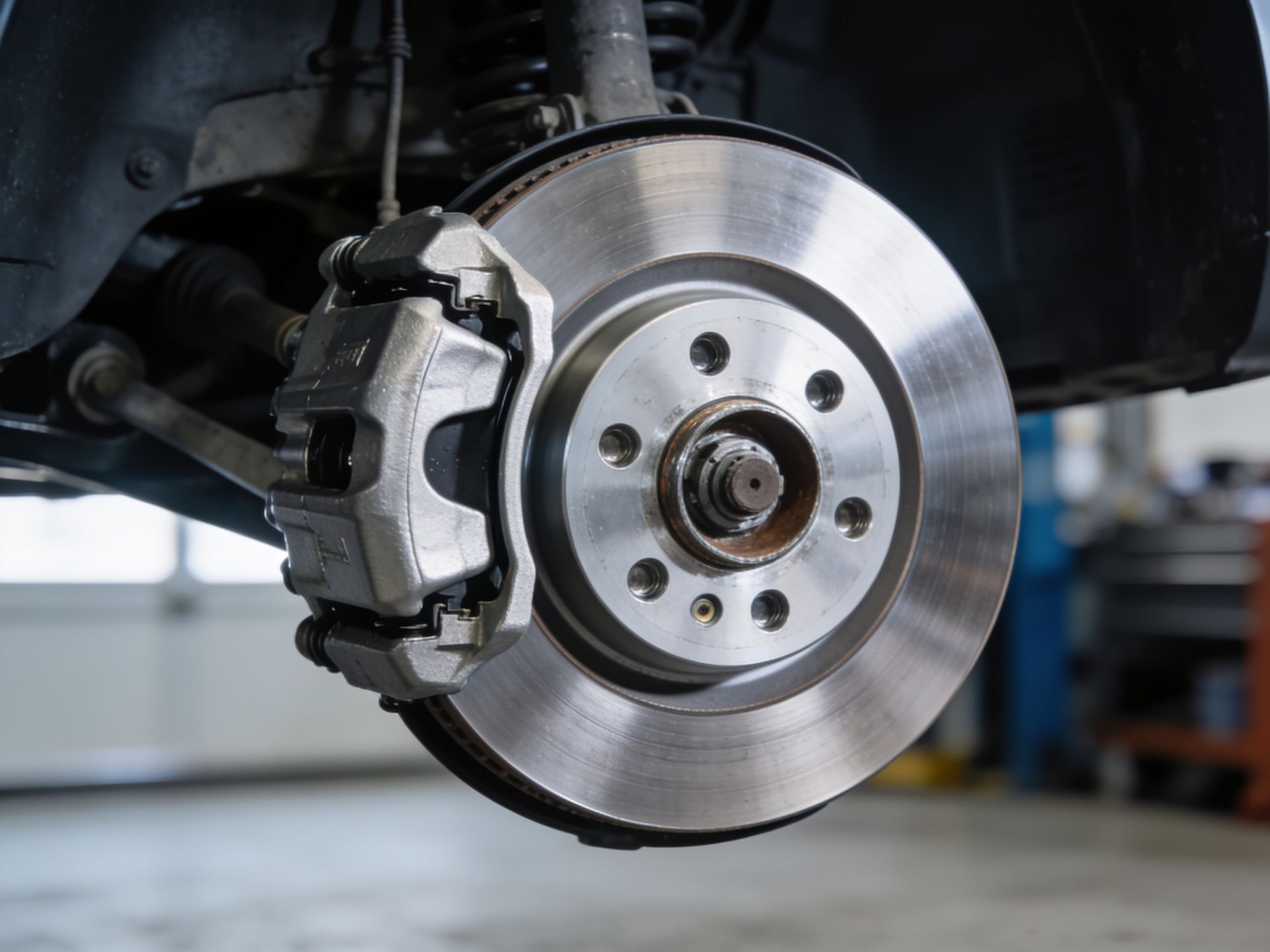
- Rotor thickness and condition
- Rotor runout
- Caliper operation
- Brake lines for corrosion
- Hardware condition
- Brake fluid level and contamination
We categorize findings clearly:
- Needs attention now
- Safe to monitor
- In good shape
You’ll see measurements and receive honest recommendations.
No pressure. No surprises.
What We Typically Find by Symptom
Here’s what we often see in Chicagoland brake service:
Squealing:
Usually low pads or wear indicators.
Grinding:
Pads worn through to metal.
Vibration:
Warped rotors, often after pothole season.
Pulling:
Sticking caliper or uneven pad wear.
Soft pedal:
Possible fluid issues or air in the system.
Each symptom has a root cause. A professional inspection confirms it.
Seasonal Brake Tips for Chicagoland Drivers
Before Spring
- Listen for new noises
- Watch for vibration
- Inspect for corrosion damage
Spring thaw often reveals winter wear.
Before Summer Heat
- Ensure pads have adequate thickness
- Consider brake fluid condition
- Check for hardware corrosion
Heat amplifies weaknesses in worn systems.
Before Winter Returns
- Confirm pad life is sufficient
- Inspect rotors for rust damage
- Address any vibration early
Winter driving demands peak performance.
Why Chicagoland Drivers Choose Suburban Tire
When drivers search for Glendale Heights brake repair or DuPage brake service, convenience and trust matter.
At Suburban Tire:
- We have convenient suburban locations, no downtown trip required
- We’re open Monday through Saturday
- Our technicians are ASE-certified
- We understand Chicago-specific wear factors
- We provide transparent, no-pressure recommendations
We’ve seen what Chicago winters, potholes, and traffic do to brakes.
That local experience matters.
Not Sure If Your Brakes Are Still Safe?
If it’s been over a year since your last inspection, now is a good time.
If you’ve noticed squealing, vibration, or pulling, don’t wait.
If you’re unsure how much pad life remains, guessing isn’t worth the risk.
Schedule a brake inspection at Suburban Tire today.
Our ASE-certified technicians will measure, inspect, and explain exactly what’s going on. You’ll understand what needs attention, what can wait, and what’s perfectly fine.
With convenient Chicagoland locations across DuPage, Kane, Kendall, and Cook County, and Monday–Saturday availability, getting answers is easy.
Book your Glendale Heights brake repair or DuPage brake service appointment today.
Drive into the next season knowing your brakes are ready.
Featured Blogs & News