Dashboard Warning Lights: What Chicagoland Drivers Need to Know
December 2, 2025
It happens in a split second. You're driving down I-355 on your way to work, picking up kids in Hanover Park, or navigating Route 34 through Oswego when suddenly, a dashboard warning light pops on. Your first reaction is a mix of confusion and worry. Is this serious? Can I finish my errands? Do I need to pull over?
For suburban drivers throughout Glendale Heights, Roselle, St. Charles, and the surrounding Chicagoland communities, dashboard lights create stress simply because most people aren’t sure what the lights actually mean. The good news? Not every light signals an emergency, but every light does mean it’s time to pay attention.
At Suburban Tire, our ASE-certified technicians are Chicagoland’s trusted experts in diagnostic services. With professional-grade equipment, decades of local experience, and a “no panic, just facts” approach, we’ll read the codes, explain what’s really happening in plain English, and help you make the right decision for your car, without the dealership hassle or chain-store uncertainty.
Understanding Dashboard Light Colors
Before diving into specific lights, it helps to understand the universal color-coding system:
- Red Lights: Pull over safely right away. These signal urgent issues.
- Yellow/Orange Lights: Schedule a diagnostic soon.
- Blue/Green Lights: Informational only.
This quick color system matters, especially in our Chicago-area weather, where extreme heat, deep cold, and fast temperature swings can trigger multiple warning lights overnight.
Check Engine Light: The Most Common and Most Misunderstood
The check engine light (CEL) causes more confusion than any other light. It can signal anything from a loose gas cap to a failing internal component.
Why It Happens
Common causes include:
- Faulty or loose gas cap
- Misfires from spark plug or ignition coil failure
- Sensor malfunctions
- Fuel system problems
- Emissions system issues
Chicago Weather + Loose Gas Caps
40-degree temperature swings, common in the Chicago suburbs, cause gas caps to expand and contract. This frequently triggers the CEL, especially after cold mornings followed by mild afternoons.
When It’s Serious
- Flashing CEL: Stop safely, this usually means a severe misfire.
- Steady CEL: Get it checked soon.
What We Typically Find
In our decades serving Chicagoland families, most CELs turn out to be minor issues, but ignoring them can lead to bigger problems.
Oil Pressure Warning: The Red Light You Can’t Ignore
If the oil pressure light turns on during your Glendale Heights or Roselle commute, pull over immediately. This light means the engine may not be getting proper lubrication.
Common Causes
- Failing oil pump
- Critically low oil
- Blocked oil passages
- Major internal wear
Why It’s Dangerous
Driving with low oil pressure, even briefly, can destroy an engine. If you see this light, shut the car off safely and call for help.
Battery / Charging System Light: More Than a Battery Issue
This light doesn’t just mean your battery is weak, it usually means your alternator isn’t charging properly.
Typical Causes
- Failing alternator
- Slipping belt
- Bad battery
- Corroded wiring or terminals
Chicago Weather Impact
Polar vortex cold snaps cause batteries to discharge faster and strain alternators. This is one of the most common winter warning lights we see.
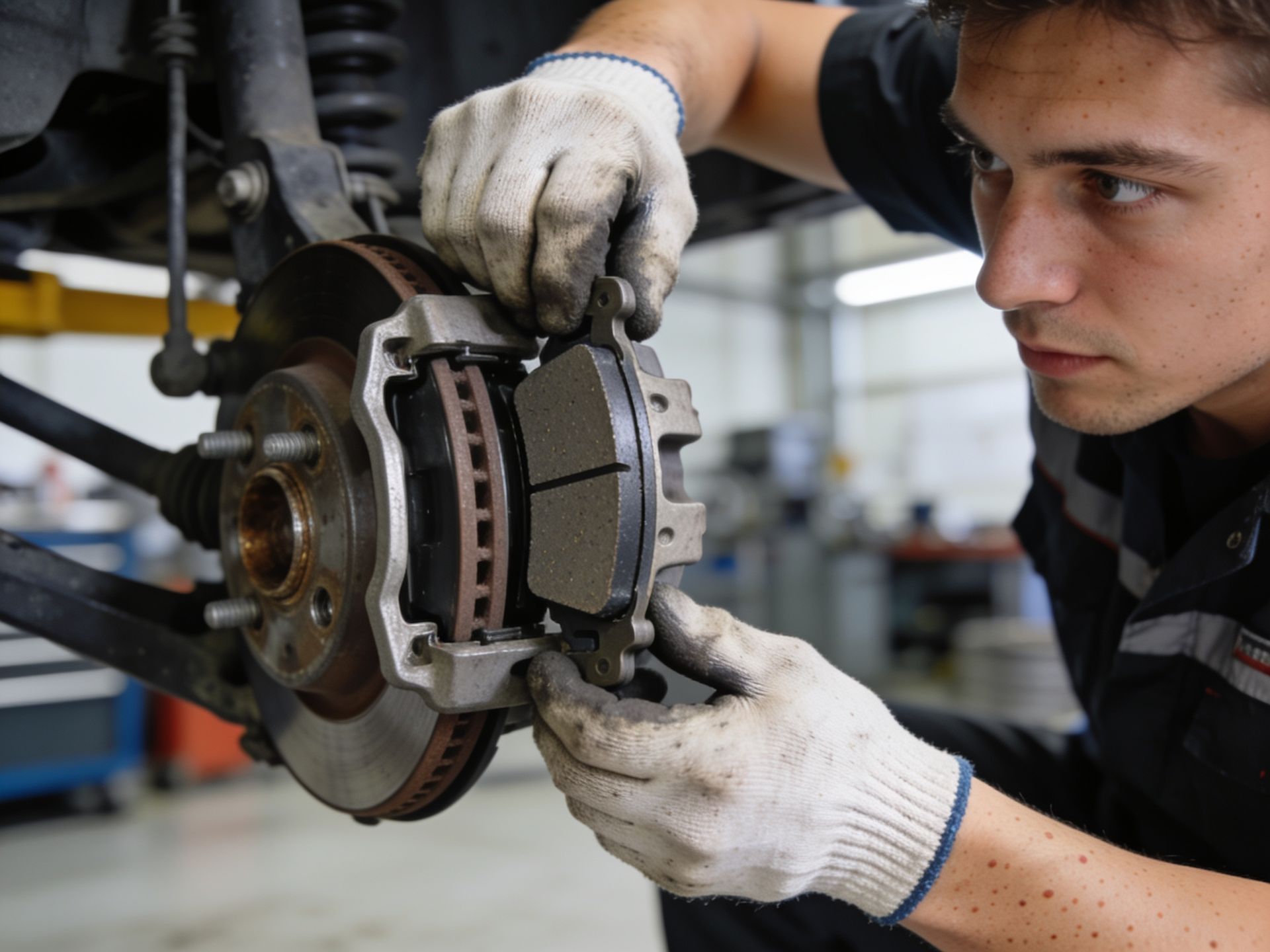
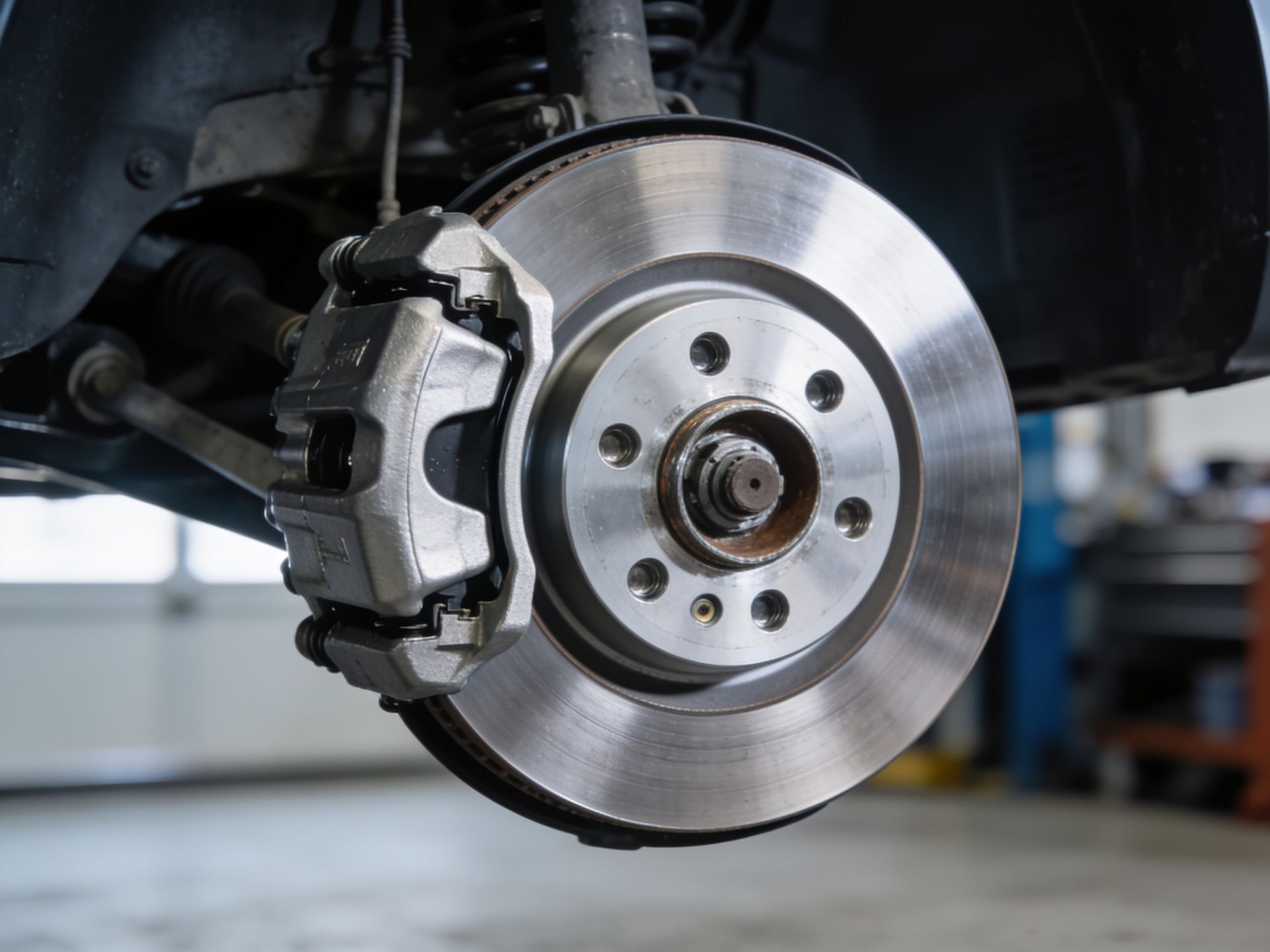
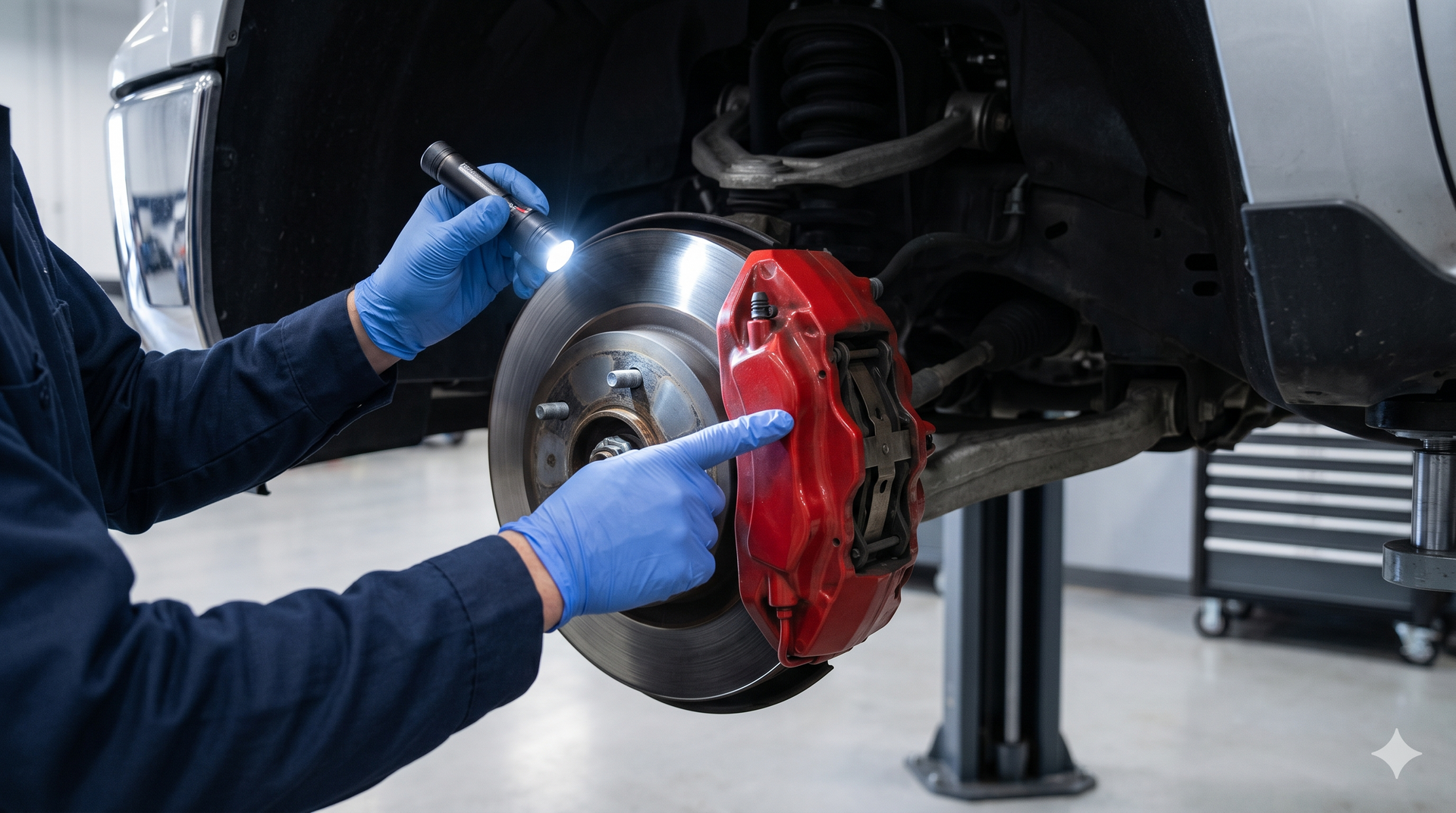
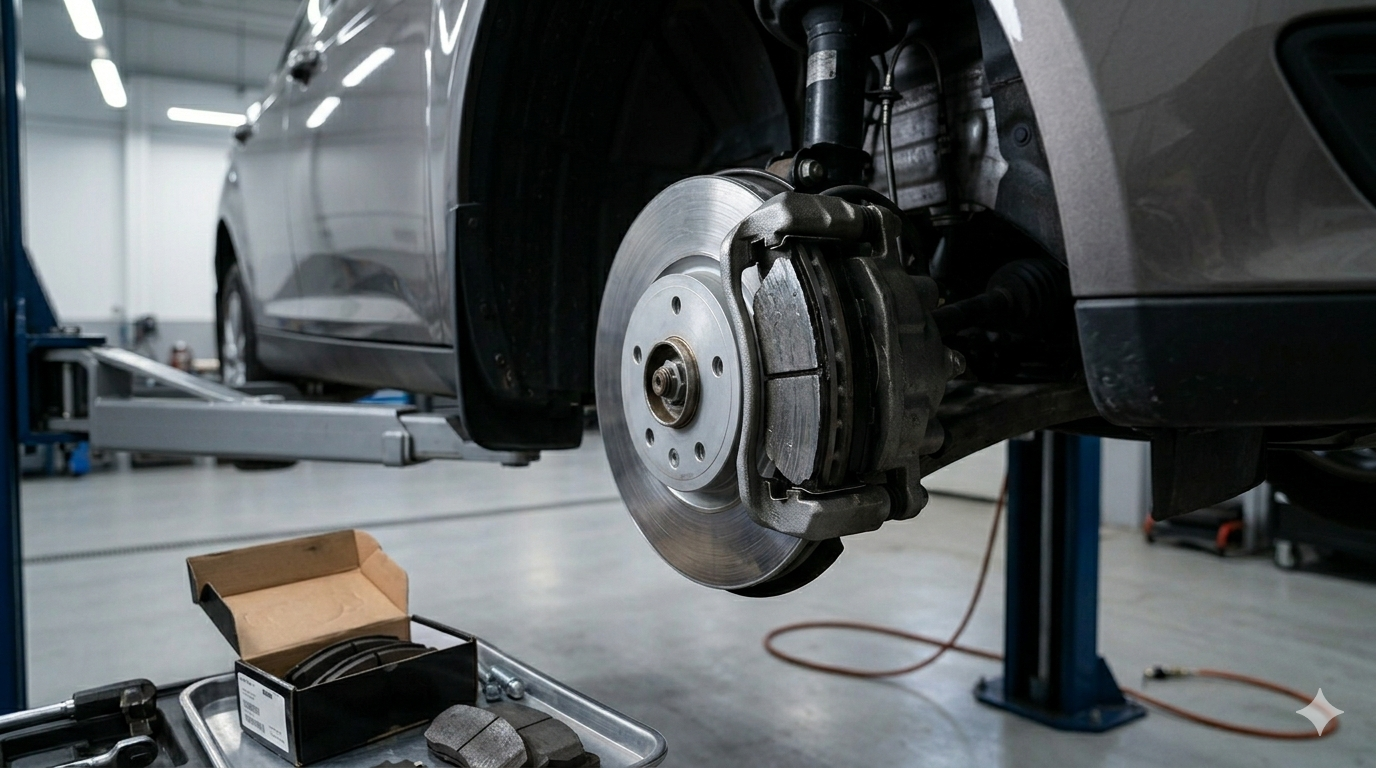
Brake System Warning Light: Critical for Suburban Stop-and-Go Driving
Your brakes are heavily used in suburban traffic, school pickups, red lights every quarter-mile, and neighborhood driving all take a toll.
This Light May Indicate
- Low brake fluid
- Faulty master cylinder
- Parking brake engaged
- ABS system issues
- Worn brake components
If the light is red, treat it as urgent. Chicagoland’s stop-and-go suburban roads leave no margin for brake failure.
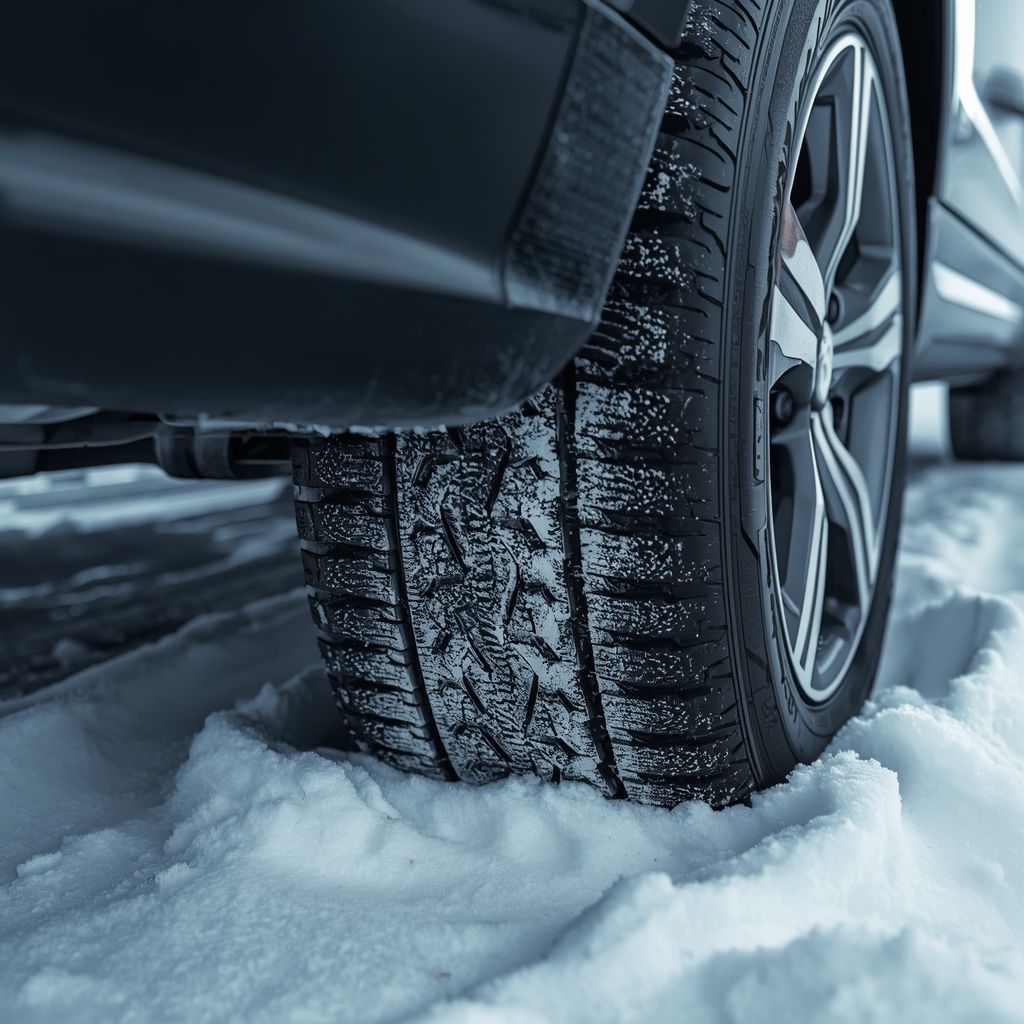
TPMS Light: Tire Pressure and Chicago Weather Extremes
The Tire Pressure Monitoring System (TPMS) light is incredibly common around DuPage, Kane, and Kendall Counties, especially when seasons change.
Seasonal Reasons It Appears
- Fall temperature drops deflate tires overnight
- Spring swings cause repeated pressure changes
- Winter potholes damage wheels and tires
A TPMS light isn’t always urgent, but low tire pressure affects fuel economy, traction, and braking, particularly on wet or icy roads.
Coolant Temperature Warning: Heatwaves or Deep Freezes
The coolant temperature light means your engine is either overheating or running too cool.
Common Causes
- Low coolant
- Faulty thermostat
- Failed water pump
- Cooling system leaks
Chicago-Area Weather Impact
- Heatwaves in July and August cause overheating.
- Winter freezes expose weak thermostats and coolant blend issues.
If the light is red, pull over safely, turn off the engine, and let it cool before checking coolant. Never open the radiator cap while hot.
ABS Warning Light: Reduced Safety on Snow and Rain
Your ABS helps prevent wheel lock-up during emergency braking. When the ABS light is on, the system may be offline.
Possible Causes
- Faulty wheel speed sensor
- Wiring damage from road salt
- Malfunctioning ABS module
Chicago’s winter roads and heavy rains make ABS especially important for suburban commuters.
When to Pull Over Immediately vs. When to Schedule Soon
Pull Over Immediately (Red Lights)
- Oil pressure
- Coolant temperature (red)
- Brake system (red)
- Flashing check engine
Schedule a Diagnostic Soon (Yellow/Orange Lights)
- Steady check engine
- TPMS
- ABS
- Battery/charging system
What Happens During a Professional Diagnostic Check
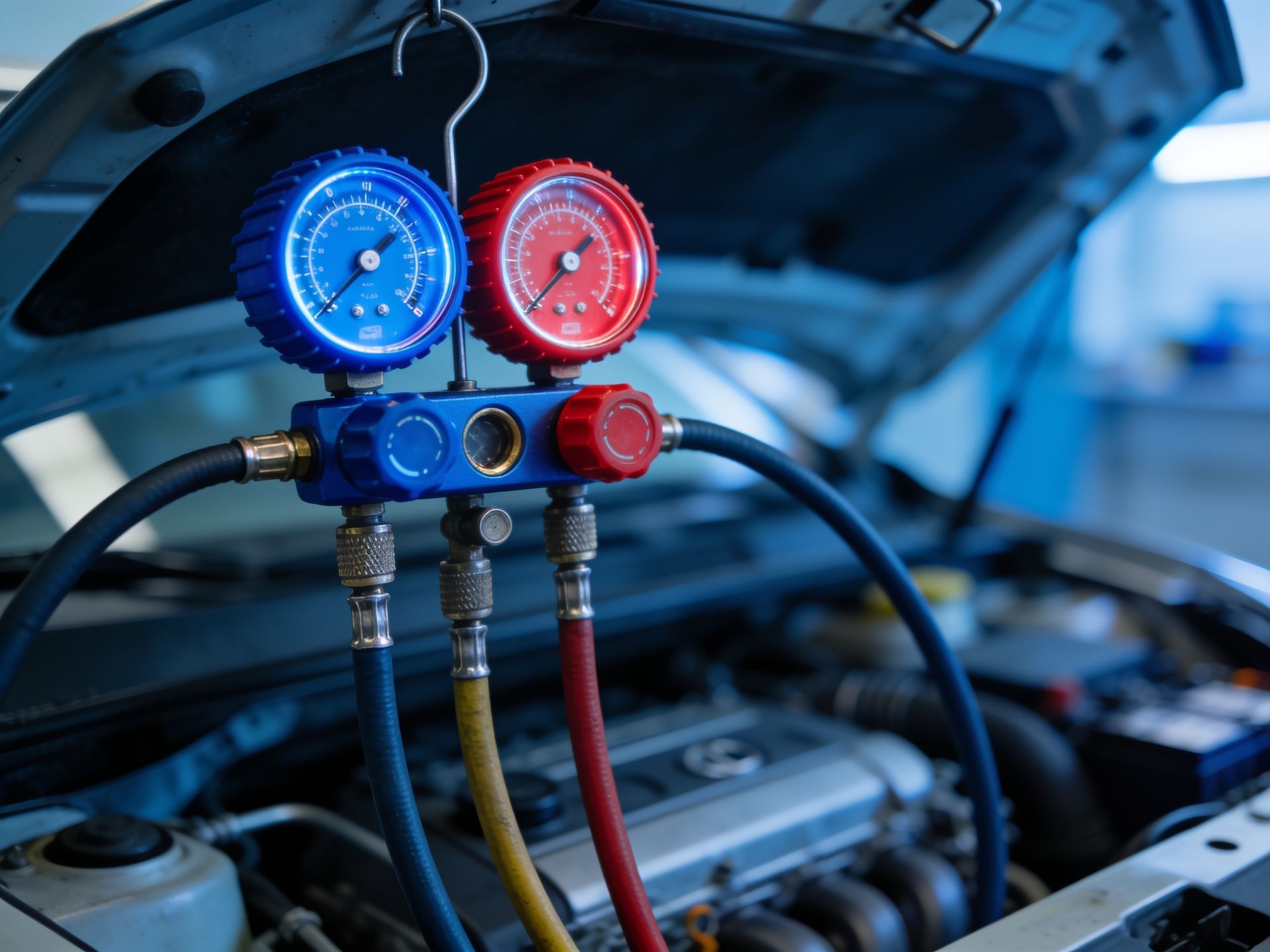
Suburban Tire uses professional-grade diagnostic equipment, far beyond the basic code readers used at parts stores.
Our ASE-certified technicians can:
- Read manufacturer-specific fault codes
- Monitor real-time sensor data
- Run system tests
- Access freeze-frame data (what the car was doing when the light came on)
- Identify the actual root cause
This precision prevents unnecessary part replacements and ensures accurate repairs.
Diagnostics vs. Guessing: What You’ll Really Save
Some drivers try guessing, replacing sensors, coils, or parts hoping the warning light disappears. That can get expensive fast.
Professional diagnostics:
- Save money by preventing unnecessary repairs
- Pinpoint the correct cause
- Protect your engine and electrical systems
- Give you confidence in the repair
With transparent pricing and clear explanations, you’ll always know what you’re paying for.
Real Customer Stories from Chicagoland Drivers
We’ve diagnosed thousands of dashboard lights throughout DuPage, Kane, Kendall, and Cook Counties.
Some real examples include:
- A St. Charles customer with a persistent check engine light, turns out to be a loose gas cap after a 35-degree overnight drop.
- A Glendale Heights commuter whose overheating light appeared only in traffic, diagnosed as a failing fan relay.
- A Roselle driver told they needed a new alternator, our diagnostic revealed only a corroded battery cable.
These cases highlight why our accurate diagnostics matter.
Seasonal Warning Light Patterns in Chicagoland
With brutal winters, hot summers, and unpredictable transitions, Chicago’s climate triggers distinctive warning light patterns:
Winter
- Weak battery warnings
- ABS faults due to salt corrosion
- TPMS alerts from freezing temperatures
Spring
- Check engine lights from moisture and thaw cycles
- Tire pressure swings
Summer
- Coolant overheating
- A/C system-related sensor issues
Fall
- TPMS lights during the first major temperature drop
- Condensation-related check engine triggers
We’ve seen these patterns year after year, predictable but preventable.
Immediate Checks You Can Do Yourself
Before heading to the shop, you can safely check:
- If the gas cap is tight
- Tire pressure (when tires are cold)
- Coolant level (only when the engine is cool)
- Any unusual smells or sounds
These simple steps can save time and reduce stress.
Why Chicagoland Drivers Trust Suburban Tire
Suburban families rely on us because we offer:
- ASE-certified technicians
- Professional diagnostic equipment
- Decades of Chicagoland experience
- Fast service, no dealership wait times
- Honest, no-pressure recommendations
- Convenient suburban locations
- Monday–Saturday availability
- Transparent pricing before repairs begin
We know the cars, the roads, and the weather patterns Chicago drivers face every year.
See a Warning Light? Don’t Panic: Get the Facts.
A dashboard light isn’t a reason to lose your entire day. With Suburban Tire’s quick, accurate diagnostics, you’ll know exactly what’s going on and what needs your attention.
Call your nearest Suburban Tire location or schedule your diagnostic online today.
Fast answers. Honest guidance. Trusted Chicagoland expertise.
We’re here Monday–Saturday to keep your family safe on the road.
Featured Blogs & News