Choosing the Right Tires for Chicagoland Winters And Every Other Season

January 23, 2026

That first winter commute of the season always feels different. 

Maybe it’s a dark morning on I-355, where traffic moves just fast enough to make every brake tap feel tense. Maybe it’s Route 59 during school drop-off, when the roads look wet but your steering feels lighter than it should. You slow down, the car hesitates, and the same thought hits most


Chicagoland drivers at least once every winter: 


Are my tires actually ready for this? 

In the Chicago suburbs, winter doesn’t arrive gradually, and it doesn’t behave predictably once it’s here. A week of rain and 45-degree temperatures can turn into single digits overnight. Snow may arrive heavy and wet, followed by a thaw, then refreeze into ice before morning traffic even starts. 

That’s why choosing the right tires in Chicagoland isn’t about over-preparing. It’s about making smart decisions for conditions that can change faster than your commute. 


Below is a clear, practical guide to seasonal tire selection, built on decades of experience helping suburban families and commuters across DuPage, Kane, Kendall, and Cook County stay safe, mobile, and confident all winter long. 


Why Chicagoland Winters Demand Better Tire Decisions 

Chicago-area winters are defined by inconsistency, not just cold. 

Local drivers routinely face: 

  • Temperature swings of 30–40 degrees within 24 hours 
  • Lake-effect snow drifting inland from Lake Michigan 
  • Rain turning to ice overnight 
  • Slush-packed intersections refreezing before sunrise 
  • Subdivision streets that aren’t plowed until long after main roads 

Add aggressive road salt use, potholes from constant freeze-thaw cycles, and heavy suburban traffic patterns, and tires take a beating all season long. 

That’s why tire choice matters more here than in regions with steady, predictable winters. 


Understanding Tire Types: What Each One Is Built to Handle 


All-Season Tires 

All-season tires are designed to be versatile, not exceptional. They come standard on most vehicles and work reasonably well in mild conditions. 

All-season tires are usually fine for drivers who: 

  • Drive limited miles in winter 
  • Stay off the road during storms 
  • Live near major roads that are plowed quickly 

Where all-seasons struggle: 

  • Cold temperatures below 45°F 
  • Snow-covered side streets 
  • Emergency braking on icy pavement 
  • Sudden lane changes in slush 

Many Chicagoland drivers don’t realize their all-season tires are underperforming until the first real cold snap, often before snow even falls. 


Winter Tires (Also Called Snow Tires) 

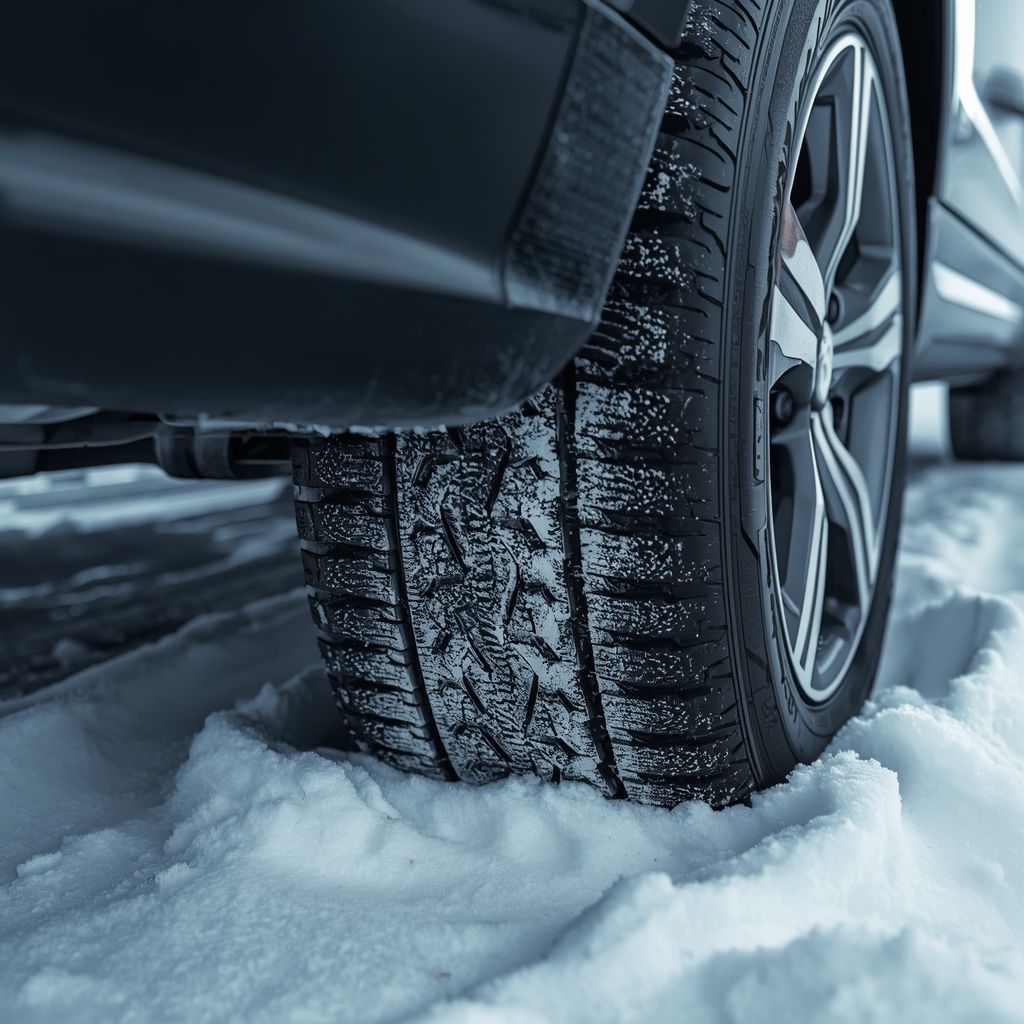
“Winter tires” and “snow tires” are the same thing. They’re engineered specifically to perform when temperatures drop and roads become unpredictable. 

What makes winter tires different: 

  • Rubber compounds that stay flexible in freezing temperatures 
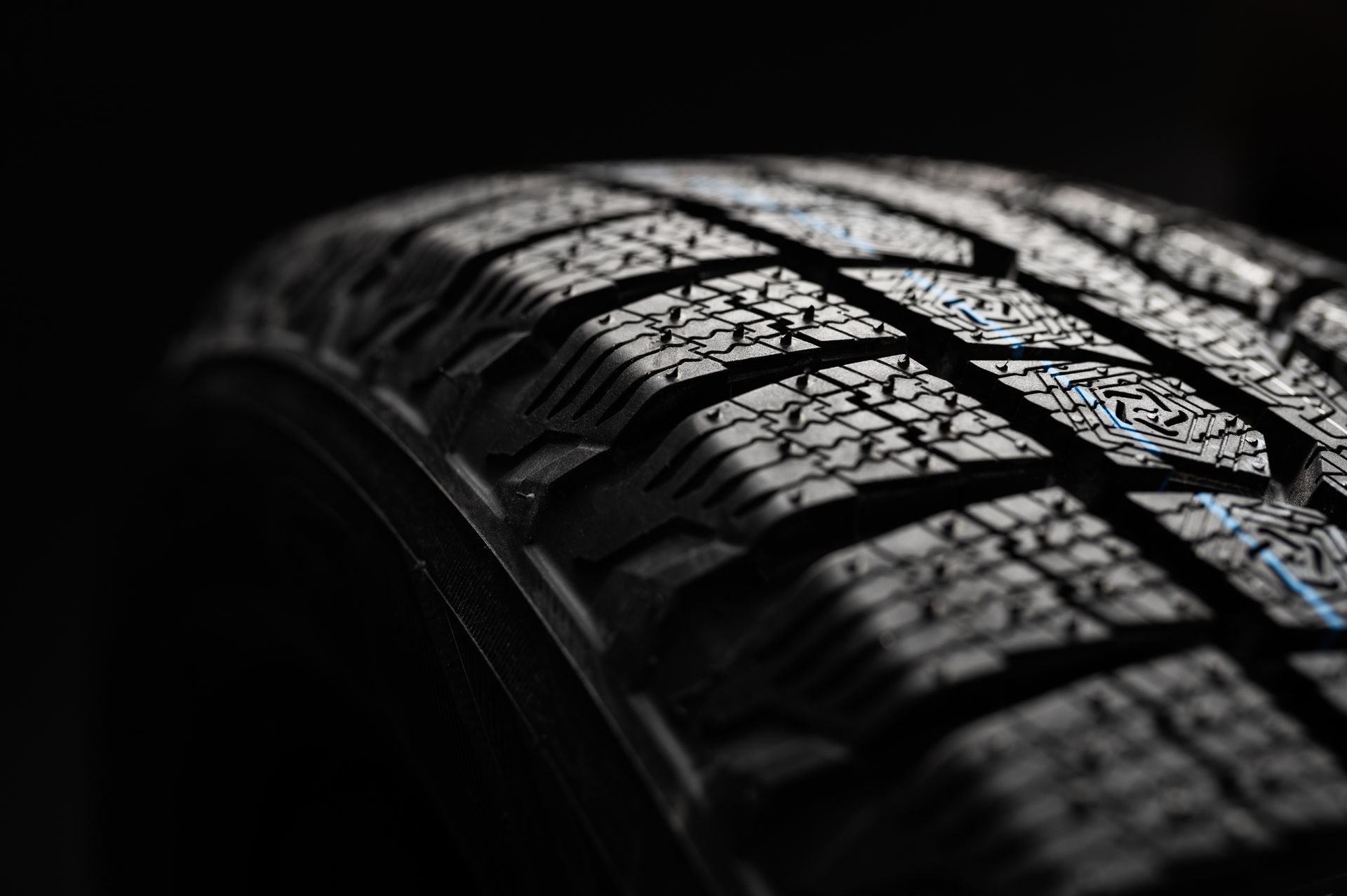
  • Deeper tread patterns that channel snow and slush 
  • Thousands of tiny sipes that create grip on ice 

A St. Charles family came in last January after their minivan couldn’t make it up their own driveway during a storm. Their street hadn’t been plowed yet, and their all-season tires simply spun. After switching to winter tires, the same hill was manageable, even before the plows arrived. 

Winter tires don’t just help you get moving. They help you stop, steer, and stay in control when conditions change suddenly. 


All-Weather Tires: A Year-Round Middle Ground 

All-weather tires are rated for winter use and marked with the Three-Peak Mountain Snowflake (3PMSF) symbol, but they’re designed to stay on your vehicle year-round. 

All-weather tires often make sense for drivers who: 

  • Want one set of tires 
  • Mostly drive plowed suburban roads 
  • Have moderate winter exposure 
  • Value convenience and storage simplicity 

They won’t match the traction of dedicated winter tires during severe storms, but for many Chicagoland drivers, they offer a practical balance between safety and simplicity. 


Summer Tires 

Summer tires are built for warm-weather performance and handling. Cold temperatures cause their rubber to harden quickly, reducing grip even on dry pavement. 

They should never be used in winter conditions, snow or not. 


Why Winter Tires Work Better (Without the Engineering Lecture) 

Winter tires outperform all-season tires for two simple reasons: 

1. Rubber That Stays Flexible 

As temperatures drop, all-season rubber stiffens. Winter tire compounds stay soft, allowing the tire to conform to the road surface and maintain grip. 

2. Tread That Creates Traction 

Winter tread patterns: 

  • Hold snow within the tread (snow grips snow better than rubber) 
  • Push slush and water away from the tire 
  • Create thousands of biting edges for ice traction 

The result is shorter stopping distances, better cornering control, and more predictable handling, especially during sudden weather changes. 


The 45-Degree Rule Chicagoland Drivers Overlook 

Once temperatures consistently drop below 45°F, all-season tires begin losing effectiveness, even on dry roads. 

In the Chicago suburbs, this often happens: 

  • In late October 
  • During early cold fronts 
  • Before the first measurable snowfall 

By the time snow is sticking, many drivers are already relying on tires that aren’t performing the way they expect. 


Tread Depth: The Winter Performance Factor You Can’t Ignore 

Tread depth matters year-round, but it’s especially critical in winter. 

The Penny Test 

  • Insert a penny into the tread 
  • If you can see all of Lincoln’s head, tread depth is likely too low 

The Quarter Test (Better for Winter) 

  • Insert a quarter 
  • If the tread doesn’t reach Washington’s head, winter traction will be compromised 

For winter driving, 6/32" or more of tread depth is generally recommended for reliable snow and slush performance. 


AWD and 4WD Myths That Catch Drivers Off Guard 

All-wheel drive helps your vehicle accelerate.
It does not help your vehicle stop. 

We regularly see AWD SUVs and crossovers struggle in winter because they’re equipped with worn or inappropriate tires. Traction, braking, and steering all depend on the tires, not the drivetrain. 


Managing Chicagoland’s Mid-Winter Weather Swings 

One of the biggest challenges for suburban drivers is unpredictability. 

You might leave home in freezing temperatures, hit rain by lunchtime, and face refreezing roads on the drive home. That makes tire reliability especially important for: 

  • Daily commuters 
  • Parents handling school drop-offs 
  • Retirees who still need dependable transportation 
  • Multi-vehicle households juggling schedules 

The right tires reduce stress when the weather refuses to cooperate. 


When Should Chicagoland Drivers Switch Tires? 

Based on local weather patterns, we typically recommend switching: 

  • Late October through mid-November 
  • Before consistent overnight freezes 
  • Before appointment availability tightens 
  • Before popular sizes sell out 

Planning ahead avoids last-minute scrambles when winter arrives early. 


Tire Storage Solutions for Suburban Homes 

Not everyone has space for an extra set of tires. 

Tire storage services: 

  • Protect tires from temperature swings 
  • Prevent premature rubber aging 
  • Simplify seasonal changeovers 
  • Free up garage or basement space 

For families with multiple vehicles, storage can make winter tire ownership far more convenient. 


The Real Cost Comparison: Tires vs. Disruptions 

Winter tires often cost: 

  • Less than a typical insurance deductible 
  • Far less than collision repairs 
  • Much less than missed work, towing, or rental vehicles 

For many Chicagoland families, winter tires function as preventive insurance, one you actually control. 


How Long Do Winter Tires Last? 

When used only during cold months and stored properly: 

  • Winter tires typically last 3–5 winters 
  • Value increases when wear is limited to the season they’re designed for 

Regular rotation, proper inflation, and alignment help maximize lifespan. 


Matching Tires to Your Vehicle and Lifestyle 

  • Sedans: Dramatic improvement in braking and control 
  • SUVs & Crossovers: Weight helps, but tires still do the work 
  • Minivans: Winter tires improve hill climbing and family safety 
  • Trucks: Rear traction improves significantly with winter tires 
  • AWD Vehicles: Benefit just as much from winter-specific rubber 

Driving habits, commute distance, and vehicle use all matter when choosing the right setup. 


Why Chicagoland Families Trust Suburban Tire 

For decades, Suburban Tire has helped Chicago-area suburban drivers navigate unpredictable winters with clarity, not pressure. 

Drivers choose Suburban Tire for: 

  • ASE-certified technicians who explain options clearly 
  • Honest recommendations based on real driving habits 
  • Faster service than dealerships 
  • More expertise than big-box chains 
  • Competitive pricing and extensive tire inventory 

With convenient locations in Glendale Heights, Hanover Park, St. Charles, Oswego, and Roselle, plus Monday–Saturday availability, expert help is always nearby. 


Get Answers Before Winter Forces the Issue 

If you’re unsure whether your current tires are ready, or you simply want clear, honest guidance, Suburban Tire is here to help. 

Schedule a free tire consultation at any Suburban Tire location.
We’ll evaluate your vehicle, commute, and budget, then recommend what actually makes sense for you. 

Because in Chicagoland, confidence on winter roads starts with preparation, long before the weather makes the decision for you. 
 

Featured Blogs & News
December 2, 2025
It happens in a split second. You're driving down I-355 on your way to work, picking up kids in Hanover Park, or navigating Route 34 through Oswego when suddenly, a dashboard warning light pops on. Your first reaction is a mix of confusion and worry. Is this serious? Can I finish my errands? Do I need to pull over? For suburban drivers throughout Glendale Heights, Roselle, St. Charles, and the surrounding Chicagoland communities, dashboard lights create stress simply because most people aren’t sure what the lights actually mean. The good news? Not every light signals an emergency, but every light does mean it’s time to pay attention. At Suburban Tire, our ASE-certified technicians are Chicagoland’s trusted experts in diagnostic services. With professional-grade equipment, decades of local experience, and a “no panic, just facts” approach, we’ll read the codes, explain what’s really happening in plain English, and help you make the right decision for your car, without the dealership hassle or chain-store uncertainty. Understanding Dashboard Light Colors Before diving into specific lights, it helps to understand the universal color-coding system: Red Lights: Pull over safely right away. These signal urgent issues. Yellow/Orange Lights: Schedule a diagnostic soon. Blue/Green Lights: Informational only. This quick color system matters, especially in our Chicago-area weather, where extreme heat, deep cold, and fast temperature swings can trigger multiple warning lights overnight. Check Engine Light: The Most Common and Most Misunderstood The check engine light (CEL) causes more confusion than any other light. It can signal anything from a loose gas cap to a failing internal component. Why It Happens Common causes include: Faulty or loose gas cap Misfires from spark plug or ignition coil failure Sensor malfunctions Fuel system problems Emissions system issues Chicago Weather + Loose Gas Caps 40-degree temperature swings, common in the Chicago suburbs, cause gas caps to expand and contract. This frequently triggers the CEL, especially after cold mornings followed by mild afternoons. When It’s Serious Flashing CEL: Stop safely, this usually means a severe misfire. Steady CEL: Get it checked soon. What We Typically Find In our decades serving Chicagoland families, most CELs turn out to be minor issues, but ignoring them can lead to bigger problems. Oil Pressure Warning: The Red Light You Can’t Ignore If the oil pressure light turns on during your Glendale Heights or Roselle commute, pull over immediately. This light means the engine may not be getting proper lubrication. Common Causes Failing oil pump Critically low oil Blocked oil passages Major internal wear Why It’s Dangerous Driving with low oil pressure, even briefly, can destroy an engine. If you see this light, shut the car off safely and call for help. Battery / Charging System Light: More Than a Battery Issue This light doesn’t just mean your battery is weak, it usually means your alternator isn’t charging properly. Typical Causes Failing alternator Slipping belt Bad battery Corroded wiring or terminals Chicago Weather Impact Polar vortex cold snaps cause batteries to discharge faster and strain alternators. This is one of the most common winter warning lights we see. Brake System Warning Light: Critical for Suburban Stop-and-Go Driving Your brakes are heavily used in suburban traffic, school pickups, red lights every quarter-mile, and neighborhood driving all take a toll. This Light May Indicate Low brake fluid Faulty master cylinder Parking brake engaged ABS system issues Worn brake components If the light is red, treat it as urgent. Chicagoland’s stop-and-go suburban roads leave no margin for brake failure. TPMS Light: Tire Pressure and Chicago Weather Extremes The Tire Pressure Monitoring System (TPMS) light is incredibly common around DuPage, Kane, and Kendall Counties, especially when seasons change. Seasonal Reasons It Appears Fall temperature drops deflate tires overnight Spring swings cause repeated pressure changes Winter potholes damage wheels and tires A TPMS light isn’t always urgent, but low tire pressure affects fuel economy, traction, and braking, particularly on wet or icy roads. Coolant Temperature Warning: Heatwaves or Deep Freezes The coolant temperature light means your engine is either overheating or running too cool. Common Causes Low coolant Faulty thermostat Failed water pump Cooling system leaks Chicago-Area Weather Impact Heatwaves in July and August cause overheating. Winter freezes expose weak thermostats and coolant blend issues. If the light is red, pull over safely, turn off the engine, and let it cool before checking coolant. Never open the radiator cap while hot. ABS Warning Light: Reduced Safety on Snow and Rain Your ABS helps prevent wheel lock-up during emergency braking. When the ABS light is on, the system may be offline. Possible Causes Faulty wheel speed sensor Wiring damage from road salt Malfunctioning ABS module Chicago’s winter roads and heavy rains make ABS especially important for suburban commuters. When to Pull Over Immediately vs. When to Schedule Soon Pull Over Immediately (Red Lights) Oil pressure Coolant temperature (red) Brake system (red) Flashing check engine Schedule a Diagnostic Soon (Yellow/Orange Lights) Steady check engine TPMS ABS Battery/charging system What Happens During a Professional Diagnostic Check Suburban Tire uses professional-grade diagnostic equipment, far beyond the basic code readers used at parts stores. Our ASE-certified technicians can: Read manufacturer-specific fault codes Monitor real-time sensor data Run system tests Access freeze-frame data (what the car was doing when the light came on) Identify the actual root cause This precision prevents unnecessary part replacements and ensures accurate repairs. Diagnostics vs. Guessing: What You’ll Really Save Some drivers try guessing, replacing sensors, coils, or parts hoping the warning light disappears. That can get expensive fast. Professional diagnostics: Save money by preventing unnecessary repairs Pinpoint the correct cause Protect your engine and electrical systems Give you confidence in the repair With transparent pricing and clear explanations, you’ll always know what you’re paying for. Real Customer Stories from Chicagoland Drivers We’ve diagnosed thousands of dashboard lights throughout DuPage, Kane, Kendall, and Cook Counties. Some real examples include: A St. Charles customer with a persistent check engine light, turns out to be a loose gas cap after a 35-degree overnight drop. A Glendale Heights commuter whose overheating light appeared only in traffic, diagnosed as a failing fan relay. A Roselle driver told they needed a new alternator, our diagnostic revealed only a corroded battery cable. These cases highlight why our accurate diagnostics matter. Seasonal Warning Light Patterns in Chicagoland With brutal winters, hot summers, and unpredictable transitions, Chicago’s climate triggers distinctive warning light patterns: Winter Weak battery warnings ABS faults due to salt corrosion TPMS alerts from freezing temperatures Spring Check engine lights from moisture and thaw cycles Tire pressure swings Summer Coolant overheating A/C system-related sensor issues Fall TPMS lights during the first major temperature drop Condensation-related check engine triggers We’ve seen these patterns year after year, predictable but preventable. Immediate Checks You Can Do Yourself Before heading to the shop, you can safely check: If the gas cap is tight Tire pressure (when tires are cold) Coolant level (only when the engine is cool) Any unusual smells or sounds These simple steps can save time and reduce stress. Why Chicagoland Drivers Trust Suburban Tire Suburban families rely on us because we offer: ASE-certified technicians Professional diagnostic equipment Decades of Chicagoland experience Fast service, no dealership wait times Honest, no-pressure recommendations Convenient suburban locations Monday–Saturday availability Transparent pricing before repairs begin We know the cars, the roads, and the weather patterns Chicago drivers face every year. See a Warning Light? Don’t Panic: Get the Facts. A dashboard light isn’t a reason to lose your entire day. With Suburban Tire’s quick, accurate diagnostics, you’ll know exactly what’s going on and what needs your attention. Call your nearest Suburban Tire location or schedule your diagnostic online today. Fast answers. Honest guidance. Trusted Chicagoland expertise. We’re here Monday–Saturday to keep your family safe on the road.
October 9, 2025
The Midwest Winter Reality In Chicagoland and DeKalb, winter isn’t just a season, it’s a survival test. Every year, drivers face polar vortex cold snaps, icy highways, snowdrifts taller than bumpers, and unpredictable whiteouts. Roads that are clear one minute can turn into ice rinks the next, and bitter wind chills test both vehicles and their drivers. Ask any seasoned commuter: a car that isn’t properly prepared can leave you stranded at the worst possible time. We’ve seen batteries fail in grocery store parking lots when temps plunge below zero, commuters spin out on black ice along I-88, and families in DeKalb get stuck in unplowed subdivisions after a storm.  At Suburban Tire, we’ve helped Chicagoland drivers navigate these conditions for decades. This comprehensive guide shares not only car care and safety strategies but also real-world stories, cost-saving tips, and regional insights to keep you safe all winter long.
A close up of a car wheel with a tire on it. | Suburban Tire Auto Repair Centers
February 24, 2025
Air Pressure for your Tires Today’s tires are marvels of engineering, but if driven on with insufficient air pressure they are prone to blow outs at high speed, especially when overloaded or in hot weather conditions. To prevent blowouts, maximize your fuel economy, and extend the life of your tire, we recommend checking the air pressure in your tires at least once a month. We will happily do this for free at any of our locations. Just stop in and we will fill your tires up to the proper pressure with regular air, or we can refill your tire with Nitrogen for a nominal fee. How much Air Should I Put in My Tires? Pneumatic Tires are engineered to give optimum performance when properly inflated. The maximum load carrying capacity and inflation pressure that a tire is engineered to withstand is molded into the sidewall of every tire and typically looks like this… But the maximum tire inflation pressure is not the amount of air you should put in your tires. Instead, you should look at the driver’s side door jamb for the Vehicle Placard. It will look something like this: The Vehicle Placard shows the recommended “cold tire pressure” as the engineers of your vehicle intended, so that the tires will have the ability to carry the car’s weight (including passengers and cargo), at the maximum speed that the tire is designed to withstand, while also maximizing the tires handling and fuel economy characteristics. Note that the tire pressure is intended to be measured when the tire is cold. Some of you may remember learning about Boyle’s Ideal Gas Law in your high school physics class. Well, PV=NRT is still the law today! The “P” is for Pressure and the “T” is for Temperature, so if you measure the air pressure in your tires after they have heated up from driving, it will be higher than if the measurement were taken when the vehicle has been sitting for a while. So, it is best to measure your tires air pressure in the morning before you have driven a significant distance. Air Pressure and Vehicle Load The weight of your vehicle can usually be found on another door jamb sticker that looks something like this: In this case the Gross Vehicle Weight Rating (GVWR) is 3,828 pounds. According to the Vehicle Tire Placard, the maximum additional weight of the passengers and cargo that this Volkswagen Beetle can carry is 772 pounds, for a total of 4,500 pounds, or 1,125 pounds per tire. Note that this is less than the maximum load of the tire shown in the first picture (1356 pounds). This is because the load carrying capacity of the tire will go up or down as the air pressure varies inside the tire. Max pressure means max load carrying capacity, but for this Beetle the engineers at Volkswagen have recommended a lower tire pressure to improve other tire attributes such as handling, ride comfort and traction. If you need to carry more than 772 pounds, you can do so by inflating the tires over the recommended psi, but don’t exceed the maximum shown on the sidewall. By overinflating your tires, you may adversely affect other characteristics of the tires performance. The tire inflation pressure shown on the Vehicle Placard is recommended by the engineers who designed your vehicle to give the best combination of ride comfort, handling properties, load carrying capacity, and rolling resistance. But you may decide to vary your air pressure to increase or decrease various vehicle characteristics affected by your tires. Generally, Reducing a tires inflation will: Increase fuel consumption Reduce steering response Reduce tire tread life Reduce cornering stability Improve ride comfort Increase traction a bit Lower load carrying capacity Cause the edges of the tire to wear our more quickly than the center Increasing a tires inflation will: Give a stiffer ride Increase steering responsiveness Increased fuel economy Raise the load carrying capacity Decrease ride comfort Increase the likelihood of pothole damage Cause the center of the tires tread to wear more quickly than the edges One other consideration, during the winter tires are prone to lose air quickly, especially when a cold front blows through, so we recommend running your tires with 3 to 5 additional pounds of air to prevent blow outs during Chicago’s typical winter weather.