EVs in a Chicagoland Winter: What Happens to Your Range

November 25, 2026

Your EV said 260 miles last month. Now it says 190, and you haven't changed a thing.

Except a Chicago winter moved in.


If you've watched your electric vehicle's estimated range drop as temperatures fall, you're seeing a common effect of cold-weather driving. Freezing temperatures change how your battery performs and how much energy your vehicle needs.


And in the Chicagoland suburbs, where winter can bring everything from freezing rain to polar-vortex temperatures, those changes can be hard to miss.

The good news is that a lower range estimate doesn't automatically mean there's something wrong with your battery.


Knowing what causes winter range loss, and which habits can help, makes it easier to plan your drives and get more out of every charge.


Why Does Cold Weather Reduce EV Range?


Electric vehicles use lithium-ion batteries to store energy and power their motors.


When temperatures drop, the chemical processes inside those batteries slow down. This increases internal resistance and can affect how efficiently the battery delivers energy.


But the battery itself isn't the only reason your range changes.


Your EV also needs energy to heat the cabin. Unlike a gas-powered vehicle that can use waste heat from its engine, an EV typically draws power from its battery pack to keep the interior warm.


That creates two demands on your available range:

  • Cold battery performance: Lower temperatures affect battery efficiency and available power.
  • Cabin heating: Keeping passengers warm uses energy that could otherwise be used for driving.


Some EVs use heat pumps to reduce the energy required for cabin heating, but they can still experience range loss in very cold conditions.


That's why your dashboard estimate can change even when your commute hasn't.


How Much Range Can an EV Lose in a Chicago Winter?


The answer depends on your vehicle, the temperature, and how you drive.


In moderate cold, the reduction may be relatively small. During a deep freeze, range loss can become much more noticeable.


As a general planning estimate, 20% to 30% less range is possible in cold weather, with larger reductions during severe conditions, heavy cabin-heating

use, or repeated short trips.


Here's what different reductions could look like for an EV that normally delivers 260 miles per charge:


Range Reduction        Estimated Range

          10%                                               234 miles

          20%                                              208 miles

          25%                                               195 miles

          30%                                               182 miles

          40%                                               156 miles


These figures are examples, not guaranteed results for a particular EV. Actual range varies by model and conditions.


So if your dashboard estimate drops from 260 miles to around 190, that can be consistent with normal winter performance.


For drivers researching EV winter range in Chicago, the most useful number is how far their own vehicle travels in the conditions they regularly encounter.


Why Short Winter Drives Can Be Especially Inefficient


Your EV may use a surprising amount of energy during the first few minutes of a cold drive.


After sitting outside overnight, the cabin needs warming. Depending on the vehicle, the battery may also need heating.


That initial energy demand can be substantial compared with the distance traveled.


Imagine driving ten minutes to the grocery store in Glendale Heights, parking for a while, then making another short trip later.


If the vehicle cools down between stops, it may need to warm up again.


For drivers making frequent short trips around DuPage, Kane, Kendall, or Cook counties, that repeated heating can have a noticeable effect on efficiency.


It's one reason winter range loss may look worse during everyday errands than on a longer, continuous drive.


Preconditioning: A Simple Way to Save Winter Range


One of the most useful features an EV owner can use in winter is preconditioning.


Preconditioning warms your vehicle before you start driving.


Many EVs let you schedule cabin heating through the vehicle's settings or mobile app. Some can also warm the battery before departure.


The best time to precondition is while your EV is still plugged in.


That allows the vehicle to use electricity from the grid for some or all of the heating demand, rather than relying entirely on energy stored in the battery.


For example, if you leave for work at 7:30 a.m., schedule the vehicle to warm up shortly before you head outside.


You'll get into a warmer cabin, and the vehicle may need less battery energy to reach a comfortable temperature once you're driving.


Preconditioning won't eliminate cold-weather range loss, but it can reduce one of the biggest energy demands at the beginning of a winter trip.


Your Tire Pressure Drops When Temperatures Fall


Your EV's battery isn't the only thing affected by a cold snap.


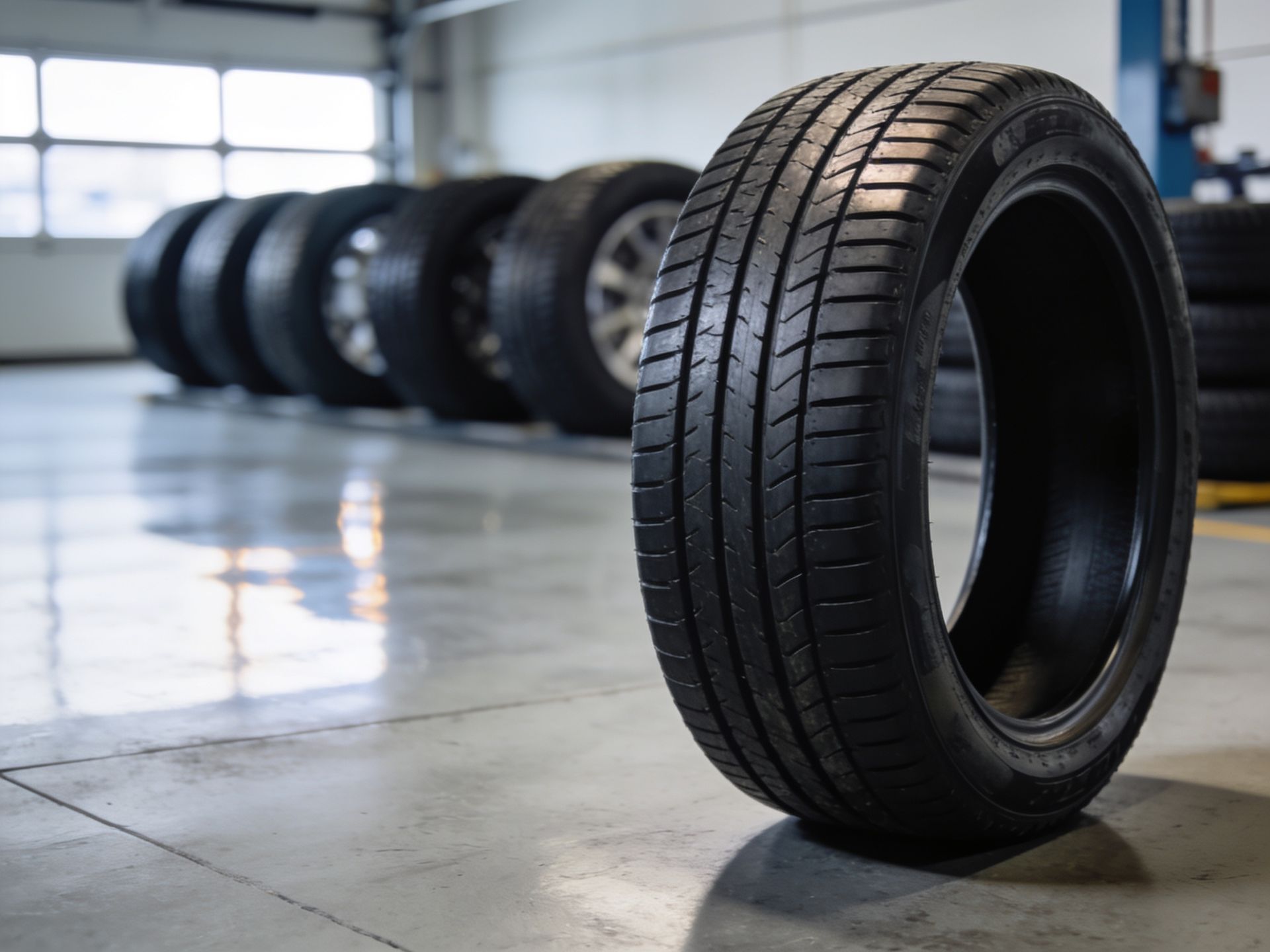
Tire pressure changes with temperature, too.


A useful rule of thumb is that tire pressure drops by approximately 1 PSI for every 10°F decrease in temperature.


So if the temperature falls 30 degrees, your tires may lose around 3 PSI without having a leak.


That matters because underinflated tires create more rolling resistance.


Your EV needs additional energy to move the vehicle, which can reduce efficiency and driving range.


For drivers concerned about EV tire pressure in DuPage County, checking inflation is one of the easiest ways to address an avoidable source of range loss.


At Suburban Tire, we check EV tire pressures throughout winter. Low pressure can quietly cost range, and correcting it is a free, straightforward fix.


Why Correct Tire Pressure Matters Even More on an EV


Every vehicle benefits from properly inflated tires.


But EV owners often pay closer attention to efficiency because it directly affects how far they can travel between charges.


Underinflated tires can increase rolling resistance, affect handling, and contribute to uneven tread wear.


That means a tire pressure issue can influence several things at once:

  • Energy efficiency and driving range
  • Tire tread life
  • Handling and steering response
  • Overall tire performance


The goal isn't to overinflate your tires to gain a few extra miles.


Always use the vehicle manufacturer's recommended cold tire pressure, typically listed on a sticker inside the driver's door jamb.


Check pressure before driving or after the vehicle has been parked long enough for the tires to cool.


If you're unsure what your tires need, stop by Suburban Tire for a free tire pressure check.


Winter Tires vs. All-Season Tires: What's Best for a Chicagoland EV?


Choosing tires for a Chicago winter involves balancing efficiency with traction.


All-season tires are designed for a range of conditions, but their performance can be limited in severe cold, snow, and ice.


Dedicated winter tires use tread designs and rubber compounds intended to improve traction in winter conditions.


That can be especially valuable on icy suburban intersections, snow-covered side streets, and roads that haven't been fully cleared.


There is a potential range trade-off.


Some winter tires have greater rolling resistance than efficiency-focused all-season tires, which can reduce EV range.


But choosing tires based only on efficiency can mean overlooking the traction you need when roads get slippery.


If you regularly drive through snow and ice, winter tires may be worth the trade-off.


If most of your driving takes place on cleared roads, a suitable all-season tire may meet your needs, depending on the vehicle and conditions.


Suburban Tire can help you compare tire options based on your EV and the roads you actually drive.


Why EV Tire Selection Matters


EVs can place different demands on their tires than comparable gas-powered vehicles.


Many are heavier because of their battery packs, and electric motors can deliver strong torque immediately during acceleration.


Those characteristics can influence tire wear and tire selection.


When replacing EV tires, it's important to consider the correct size, load rating, speed rating, and manufacturer recommendations.


Rolling resistance, traction, tread life, and ride comfort can also affect which tire makes sense.


A tire that performs well on one EV isn't automatically the right choice for another.


If you're unsure which tires suit your vehicle, an EV tire consultation can help you narrow down the options.


Planning Your Charging Around a Chicago Deep Freeze


Winter range loss becomes especially important when you're planning a longer drive.


During a polar vortex, don't assume your EV will deliver the same range you saw during summer.


Leave extra battery capacity available, particularly if freezing temperatures or difficult road conditions are expected.


Check charging options before leaving and remember that charging can take longer when the battery is very cold.


Some EVs can warm their batteries before a DC fast-charging stop. If your vehicle supports this feature, use its built-in navigation or charging settings

to prepare.


And if you're traveling between suburban communities, think about the conditions along your route.


A drive from St. Charles to DeKalb may involve different road conditions than a short trip around Roselle.


Planning ahead helps you avoid having to make charging decisions when your remaining range is already low.


Simple Habits That Help Protect Winter EV Range


You can't control Chicago's temperatures, but you can make a few adjustments that help manage energy use.


Precondition while plugged in. Warm the cabin and, when supported, the battery before leaving home.


Check tire pressure regularly. Cold temperatures can lower inflation and increase rolling resistance.


Use Eco mode when appropriate. Many EVs offer settings that help reduce energy consumption through changes to acceleration and climate control.


Use heated seats when available. Seat and steering-wheel heaters may help keep you comfortable without relying as heavily on cabin heating.


Plan charging with extra margin. Give yourself more available range during deep cold, especially on longer drives.


Combine short trips when practical. Repeatedly warming a cold vehicle can use more energy than one longer outing.


Choose tires for your driving conditions. Winter traction, compatibility, and efficiency all deserve consideration.


These habits won't make winter range identical to summer range, but they can help you get more out of the energy available.


When Should You Get Your EV Tires Checked?


A lower range estimate doesn't automatically mean you need new tires.


But it's worth checking whether tire pressure or tire condition is contributing to the change.


Consider stopping by if:

  • Your tire pressure warning light comes on.
  • You haven't checked pressure since temperatures dropped.
  • Your tires show uneven wear.
  • You're unsure whether your current tires are suited to winter conditions.
  • You're considering winter tires for the first time.
  • You want to rule out tire-related efficiency problems.


A tire and pressure check won't change how cold affects your battery or cabin heating.


But it can help identify problems that may be making winter efficiency worse than necessary.


Local EV Tire Expertise Without the Dealership Wait


You don't need a dealership appointment just to find out whether your EV's tire pressure is correct.


At Suburban Tire, our ASE-certified technicians understand how tire condition and inflation affect vehicle performance, including the efficiency concerns that matter to EV drivers.


We'll check your tires, explain what we find, and help you decide whether anything needs attention.


If your tires are in good condition, we'll tell you.


If another tire option could better suit your winter driving needs, we'll walk you through the choices.


No unnecessary upsells. Just practical guidance from a team that understands Chicagoland driving conditions.


Get Your EV Ready for Another Chicagoland Winter


Cold weather can reduce EV range, but it doesn't have to catch you off guard.


Preconditioning, smart charging habits, and proper tire pressure can all help you manage the change.


And while you can't control the next polar vortex, you can make sure your tires are ready for it.


Suburban Tire serves drivers with locations in Glendale Heights, Hanover Park, DeKalb, St. Charles, Oswego, and Roselle, with Monday through Saturday hours.


Stop by for a free tire pressure check or ask our team about an EV tire consultation.


Our ASE-certified technicians will help you understand your tire options, check your tire condition, and get ready for the colder miles ahead.


Featured Blogs & News
November 10, 2026
First real cold morning of the season, and there it is. Your tire pressure light. Yesterday, your dashboard was clear. Today, temperatures are below freezing, and your car is telling you something needs attention. Before you assume you have a flat tire, consider what happened overnight. Cold weather can lower tire pressure even when there's nothing wrong with the tire itself. And during a Chicagoland winter, a sudden temperature drop can be enough to trigger that warning light. Here's the math behind it, what your tire pressure light actually means, and when it's time to get your tires checked. Why Does Tire Pressure Drop When It's Cold? Your tires don't need a puncture to lose pressure. As temperatures fall, the air inside your tires cools, causing the pressure to decrease. It's a normal response to changing temperatures, but it can leave your tires underinflated. The rule of thumb is simple: For every 10°F drop in temperature, your tires lose approximately 1 PSI. PSI stands for pounds per square inch, the unit used to measure tire pressure. So if your tires were properly inflated when it was 50°F outside, they could be several PSI lower after a week of freezing temperatures. That's why tire pressure problems often seem to appear out of nowhere during Chicago's first cold snap. The Chicago Winter Tire Math: How Much Pressure Can You Lose? Chicagoland winters can bring major temperature swings, especially when a polar vortex moves through the area. And those changes can have a noticeable effect on tire pressure. Here's how the numbers work: Temperature Drop. Approximate Pressure Loss 10°F 1 PSI 20°F 2 PSI 30°F 3 PSI 40°F 4 PSI 50°F 5 PSI 60°F 6 PSI These are approximate changes, not exact measurements for every tire. Imagine your tires were inflated to the recommended 35 PSI during a mild 40°F afternoon. Then a polar vortex brings temperatures down to -10°F. That's a 50-degree temperature drop, which could lower your tire pressure by roughly 5 PSI. Your tires could now be sitting around 30 PSI without having a leak. For drivers dealing with tire pressure in a Chicago winter, that difference is worth paying attention to. Why Your TPMS Light Comes On During the First Cold Snap Your Tire Pressure Monitoring System, or TPMS, is designed to alert you when tire pressure falls below a certain threshold. During warmer weather, your tires may have enough pressure to stay above that threshold. Then the first deep freeze arrives. Pressure drops, the system detects the change, and your dashboard warning appears. That's why drivers across DuPage, Kane, Kendall, and Cook counties often notice the light on the same freezing mornings. Every first cold snap brings more drivers into our shops with tire pressure warnings. Often, the temperature is responsible, and correcting the pressure is a quick, free fix. If you're seeing a TPMS light in DuPage County, don't assume you need new tires. But don't ignore the warning, either. Your Tire Pressure Light Is a Lagging Warning Here's something many drivers don't realize. Your TPMS light doesn't necessarily come on the moment your tire pressure begins dropping. In many vehicles, the low-pressure warning activates only after one or more tires fall significantly below the manufacturer's recommended pressure. That makes TPMS a lagging indicator. By the time the warning appears, your tires may already be underinflated enough to affect their performance. Some vehicles display individual tire pressures, while others only show a warning symbol. Either way, the next step is to check the actual pressure rather than guessing how much air you need. Why Low Tire Pressure Matters on Icy Suburban Roads A few PSI might not seem like much. But low tire pressure can affect how your vehicle handles, stops, and wears through its tread. Those changes matter when you're driving on snow-covered side streets or approaching an icy intersection. Underinflated tires can contribute to: Reduced handling performance: Tires may respond less predictably when steering or cornering. Changes in braking performance: Improper inflation can affect stopping distances, especially when road traction is limited. Uneven tread wear: Low pressure can cause the outer shoulders of a tire to wear faster. Lower fuel economy: Increased rolling resistance makes your engine work harder. Excess heat buildup: Significantly underinflated tires can generate damaging heat during driving. Whether you're commuting through Glendale Heights or navigating icy roads around St. Charles, proper tire inflation helps your tires perform as designed. It won't eliminate winter road hazards, but it can help you avoid unnecessary tire-related risks. Don't Use the PSI Number on Your Tire's Sidewall If your tire pressure light comes on, you might look at the tire itself to find the correct PSI. But the number printed on the sidewall generally indicates the tire's maximum inflation pressure. That's not the same as the recommended pressure for your vehicle. Your vehicle manufacturer determines the appropriate inflation pressure based on factors such as weight, handling, and tire specifications. You'll usually find that recommendation on a sticker inside the driver's door jamb. You can also check your owner's manual. Always inflate your tires to the manufacturer's recommended cold pressure. Adding extra air beyond that recommendation isn't a shortcut to better winter performance. In fact, overinflation can create its own handling and wear problems. If you're unsure what pressure your vehicle needs, Suburban Tire can check it for you. Why Tire Pressure Should Be Checked Cold For an accurate reading, check your tires before driving or after the vehicle has been parked for at least three hours. That's because tire pressure rises as tires warm up during driving. If you measure pressure immediately after a long commute, the reading may be higher than it would be when the tires are cold. The recommended PSI on your door-jamb sticker is intended for cold tires. For Chicagoland drivers, checking before your morning commute is often convenient. If you've already been driving, don't release air just because the warm reading is higher than the cold-pressure recommendation. Let the tires cool before making that adjustment. Cold Weather or a Slow Leak? How to Tell the Difference A tire pressure warning after a cold snap doesn't automatically mean you have a puncture. But cold weather shouldn't be used to explain away every pressure problem. Here's what to watch for. Signs It's Probably a Temperature-Related Drop The warning appears after a major temperature decrease. Multiple tires show similarly lower pressure. None of the tires appear visibly damaged. Pressure remains stable after inflation is corrected. Signs You May Have a Slow Leak One tire is significantly lower than the others. The same tire repeatedly needs air. The warning returns soon after a top-off. You notice a nail, puncture, or visible tire damage. Pressure keeps dropping even when temperatures remain steady. A slow leak can come from a puncture, a valve issue, or a problem where the tire seals against the wheel. If one tire keeps losing air, it's worth having it inspected rather than repeatedly adding more. What Should You Do When Your TPMS Light Comes On? If your tire pressure warning appears during a Chicago cold snap, follow these steps. 1. Find a safe place to stop. If the vehicle feels unstable or a tire looks severely underinflated, avoid continuing to drive. 2. Check for visible damage. Look for a flat tire, puncture, or anything unusual. 3. Measure your tire pressure. Use a reliable gauge to check each tire. 4. Find the recommended PSI. Look at the sticker inside your driver's door jamb. 5. Inflate to the correct pressure. Adjust your tires to the manufacturer's recommended cold-pressure specification. 6. Check whether the warning clears. Some TPMS systems update after a short drive, while others require a reset or recalibration procedure. If the warning stays on or returns, have the tires inspected. And if you don't have a pressure gauge handy, stop by Suburban Tire for a free tire pressure check. How Often Should You Check Tire Pressure in Winter? Don't wait for the warning light. Checking your tire pressure at least once a month is a good habit, especially during winter. It's also smart to check after a major temperature change or before a longer drive. Remember, a 30-degree drop could mean approximately 3 PSI less pressure. And during an especially cold week, the difference could be even greater. Regular checks help you catch changes before they become large enough to trigger your TPMS. For drivers dealing with low tire pressure in the cold suburbs, a quick monthly check can prevent plenty of unnecessary dashboard surprises. What If Your Tire Pressure Light Won't Turn Off? Sometimes, correcting your tire pressure is all it takes. Other times, the warning light stays on. Depending on your vehicle, the system may need to be driven for a short distance before updating. Some vehicles also require a specific reset or recalibration procedure. If the warning returns after you've corrected the pressure, one of your tires may still be losing air. And if the TPMS light flashes before staying illuminated, that can indicate a problem with the monitoring system itself. Don't ignore a warning that won't clear. Have the tires and system checked so you know what's causing it. A Free Tire Pressure Check Is Easier Than Guessing You don't need to spend your morning searching for the right PSI or wondering whether your tires have a leak. At Suburban Tire, we offer free tire pressure checks to help drivers get a quick answer. Our team can check your tire pressures, adjust them to the correct specifications, and let you know if something needs a closer look. If it's just the cold, we'll tell you. If one tire is losing air faster than the others, we'll explain why an inspection may be necessary. Our ASE-certified technicians understand the tire problems that come with Chicagoland's freezing temperatures. And with convenient suburban locations, getting your pressure checked can be much easier than scheduling a dealership visit. If your TPMS light is on, stop by for a free tire pressure check. No appointment needed for a quick top-off. Keep Your Tires Ready for the Next Deep Freeze  Chicago winters can bring dramatic temperature changes, but your tire pressure doesn't have to be a guessing game. Remember the math: approximately 1 PSI lost for every 10°F temperature drop. Check pressure when your tires are cold, use the PSI listed on your vehicle's door-jamb sticker, and pay attention if one tire keeps losing air. Suburban Tire serves Chicagoland drivers with locations in Glendale Heights, Hanover Park, DeKalb, St. Charles, Oswego, and Roselle, with Monday through Saturday hours. Our ASE-certified technicians provide honest recommendations and practical help when winter tire problems appear. Stop by your nearest Suburban Tire for a free tire pressure check before the next cold snap . We'll help you find out whether your tires just need air or something more, so you can get back to your day.
October 30, 2026
Easy way to find out how old your tires really are.
October 19, 2026
Wear patterns are worth paying attention to.
October 18, 2026
You don't need to know exactly what's wrong to know something has changed.
September 9, 2026
How you drive those miles matters.
August 31, 2026
When you're driving at highway speeds, air naturally flows through the front of the vehicle.
August 11, 2026
Summer gridlock often creates even more challenging conditions for the cooling system.
May 4, 2026
When getting ready for the spring season in Chicago, it’s important to know your brakes are ready too.
April 17, 2026
Your brakes are doing more work than you think. 
March 9, 2026
Your check engine light just came on during your commute. Your heart’s racing. What now?